
What projects are you currently working on?
At the moment I am working on several hospitality and concept-driven projects through my studio, IMAGEMAN Interior & Architecture. My work primarily focuses on restaurants and immersive dining environments where architecture, atmosphere, and gastronomy are carefully integrated into a single narrative.
One of the most exciting projects currently in development is Fanatikka, an African-inspired show restaurant with a strong club atmosphere. The concept combines gastronomy, music, performance, and theatrical spatial design to create an energetic and immersive nightlife experience. The project explores the rich visual language of African culture, using expressive materials, dramatic lighting, and dynamic spatial composition to support a vibrant entertainment-oriented environment.
Alongside this, I continue to develop other hospitality concepts where design grows directly from the culinary identity and cultural story behind each restaurant. For me, every project is an opportunity to create not just an interior, but a complete experience where architecture, storytelling, and gastronomy come together.
What was your favourite project to work on and why?
One of my favourite projects to work on was ORDA Restaurant, located in Al Hamra Mall, Ras Al Khaimah, United Arab Emirates. The project represents a Central Asian dining concept inspired by the rich cultural heritage of the Silk Road and the traditions of Uzbek cuisine.
What made this project particularly meaningful for me was the opportunity to translate a deep cultural narrative into spatial design within an international context. The concept was not simply about creating an attractive restaurant interior, but about recreating the atmosphere of a traditional Central Asian gathering place where food, hospitality, and storytelling are inseparable.
The design draws inspiration from historical references, nomadic traditions, and the architectural language of ancient cities such as Samarkand and Bukhara. Materials, lighting, textures, and decorative elements were carefully selected to evoke warmth, authenticity, and a sense of cultural depth while adapting the concept to the contemporary hospitality environment of the UAE.
I especially enjoyed the process of connecting gastronomy with spatial experience — working closely with the culinary concept to ensure that the environment supports the rituals of sharing food and the social character of Central Asian hospitality.
For me, this project perfectly illustrates the approach I value most in hospitality design: creating spaces where architecture, culture, and gastronomy come together to tell a meaningful and memorable story.
What was your most challenging project to work on and why?
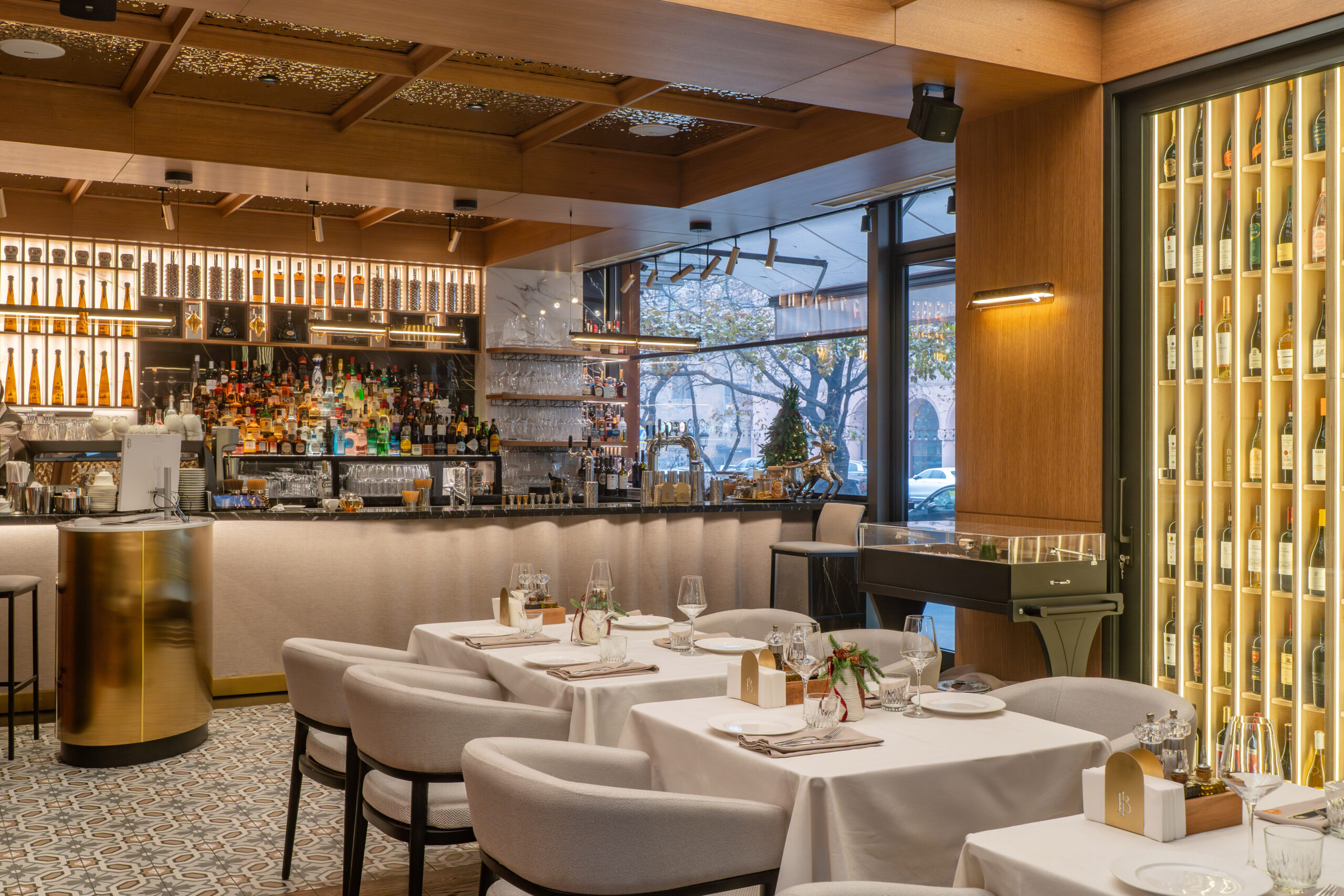
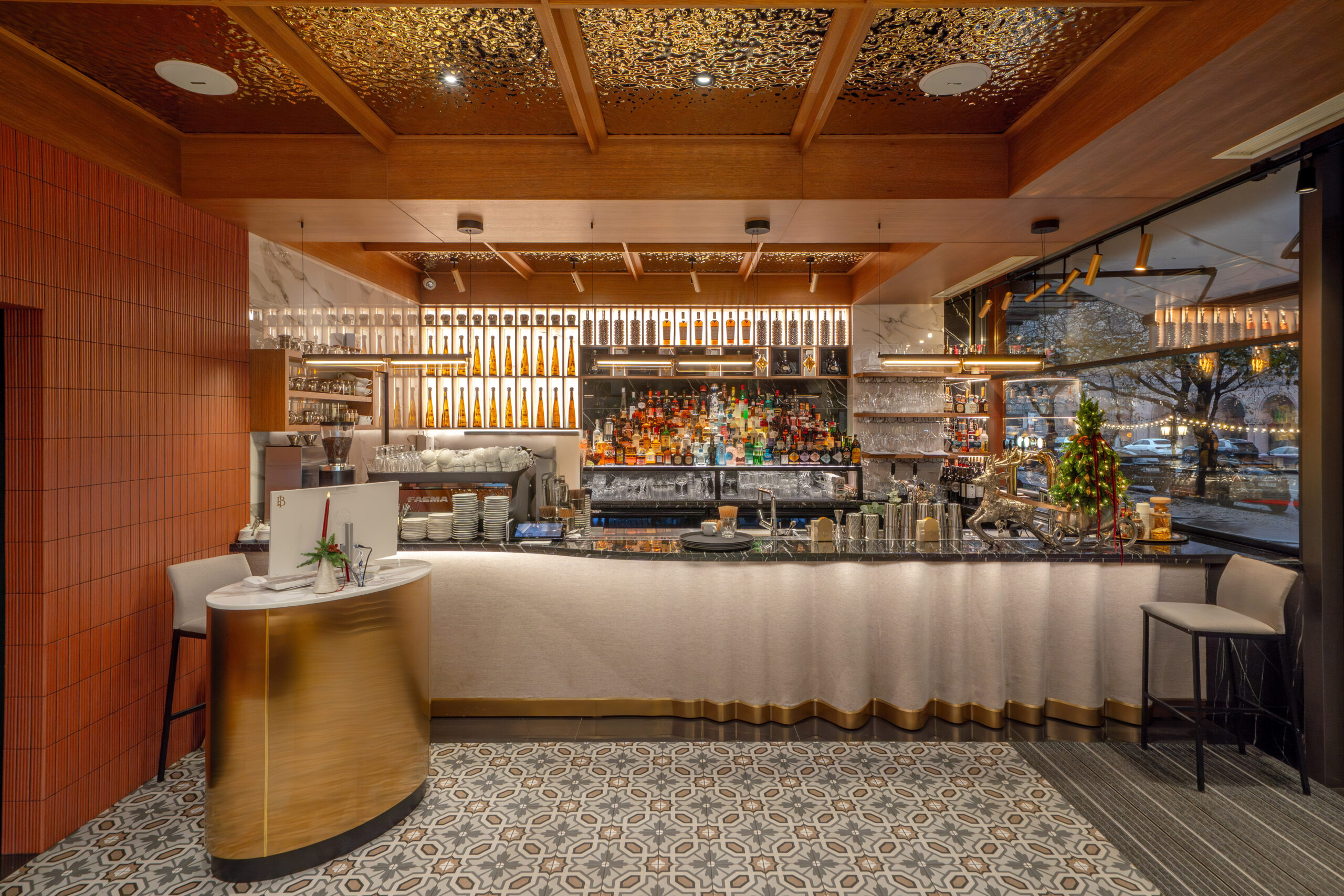
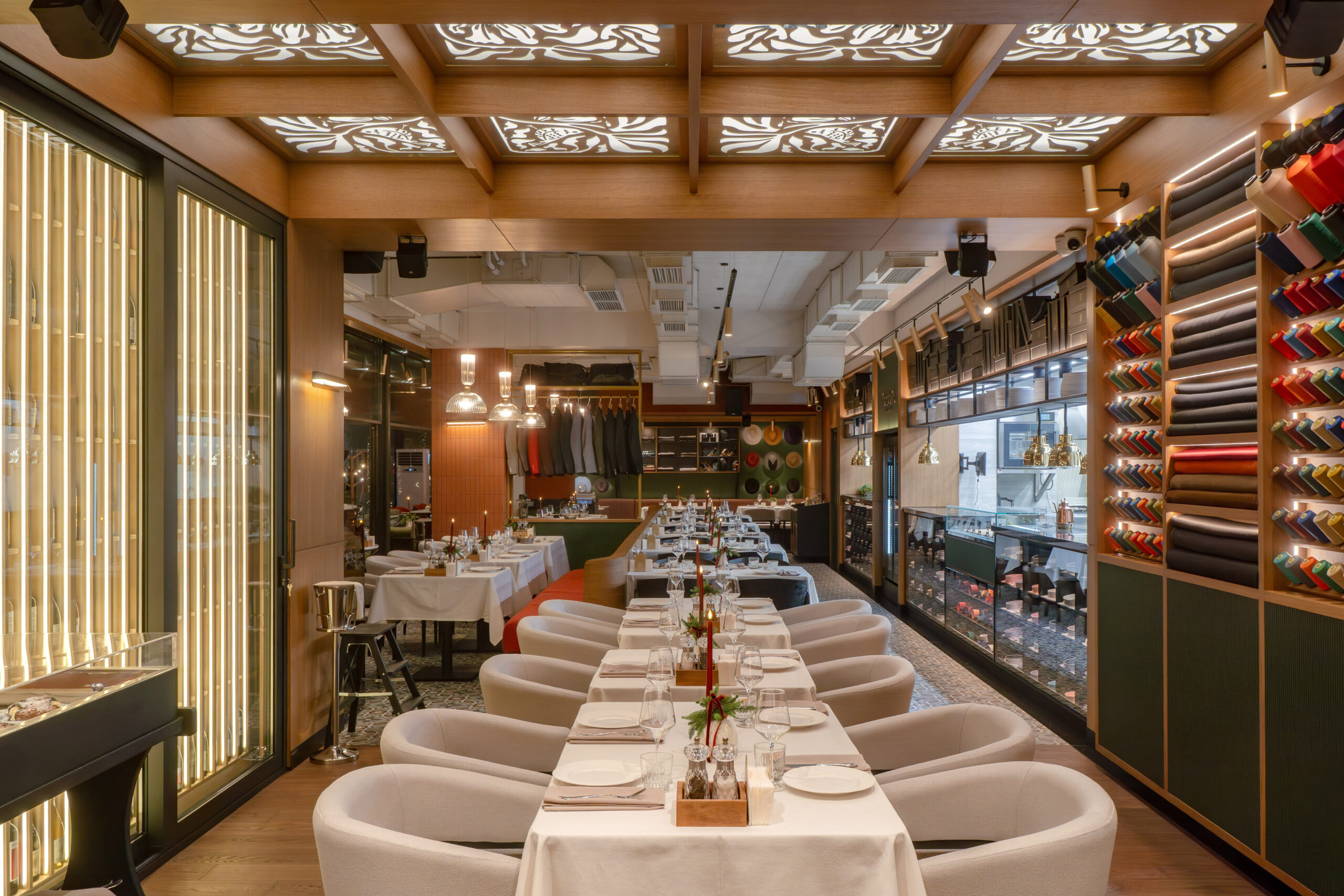
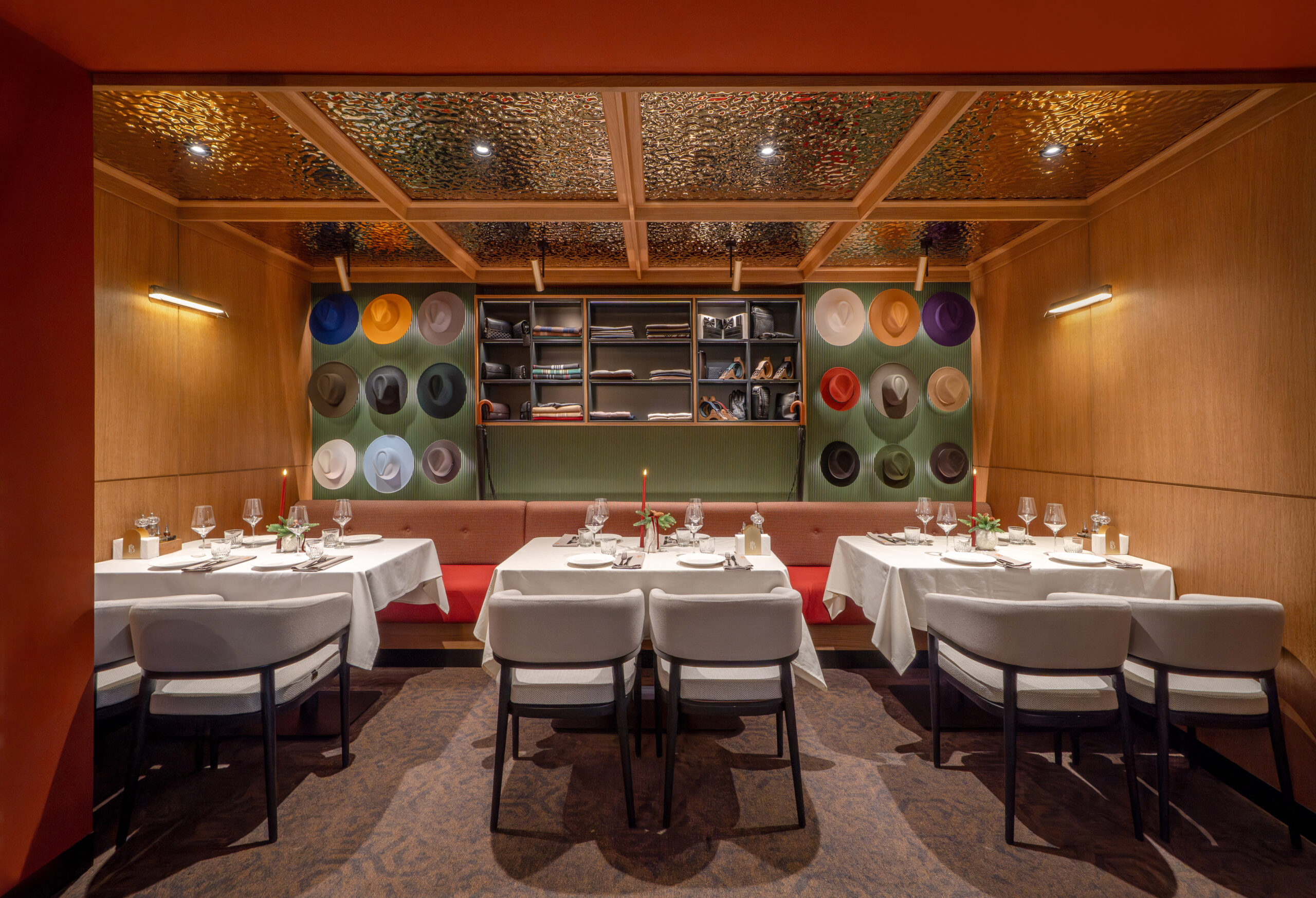
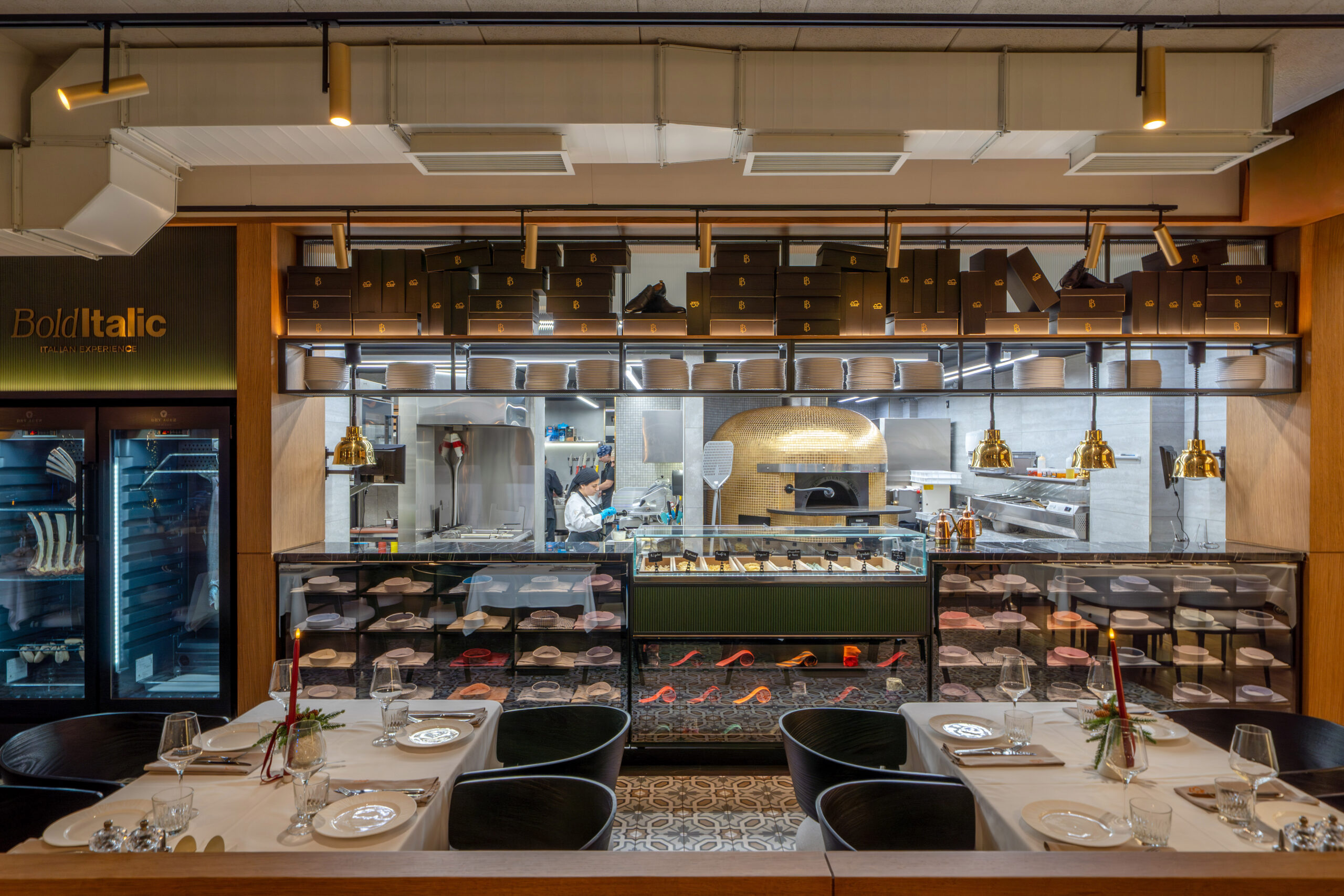
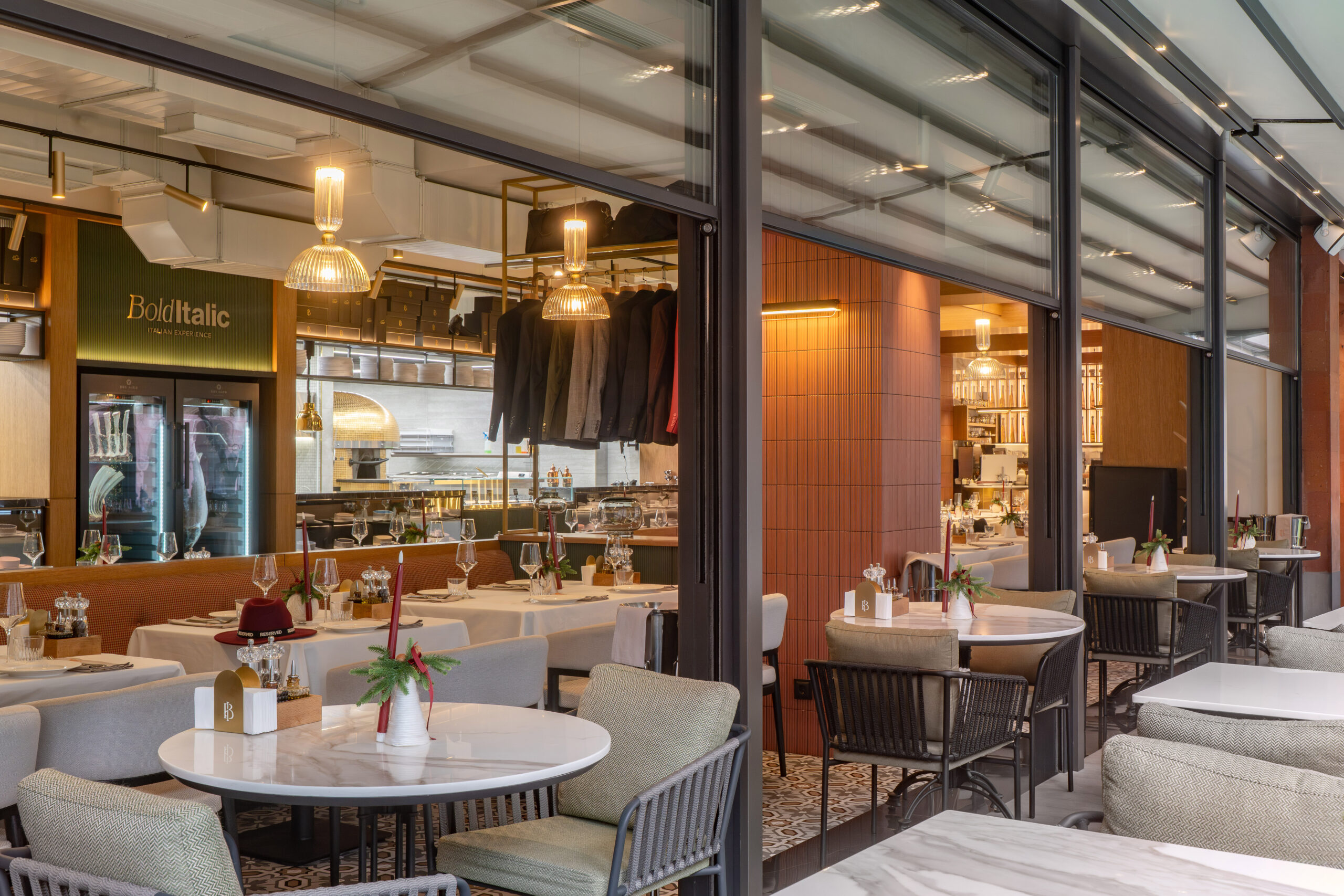
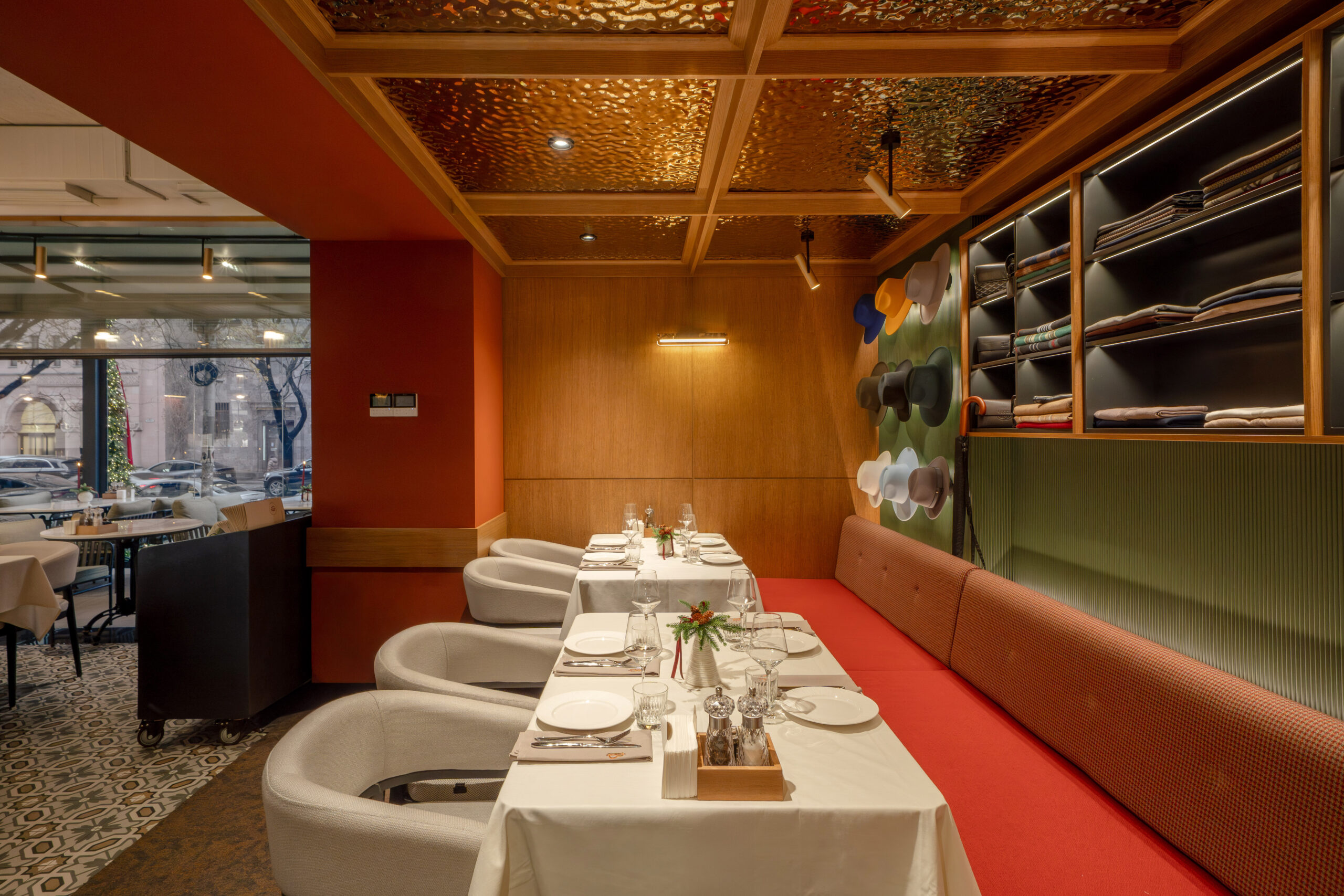
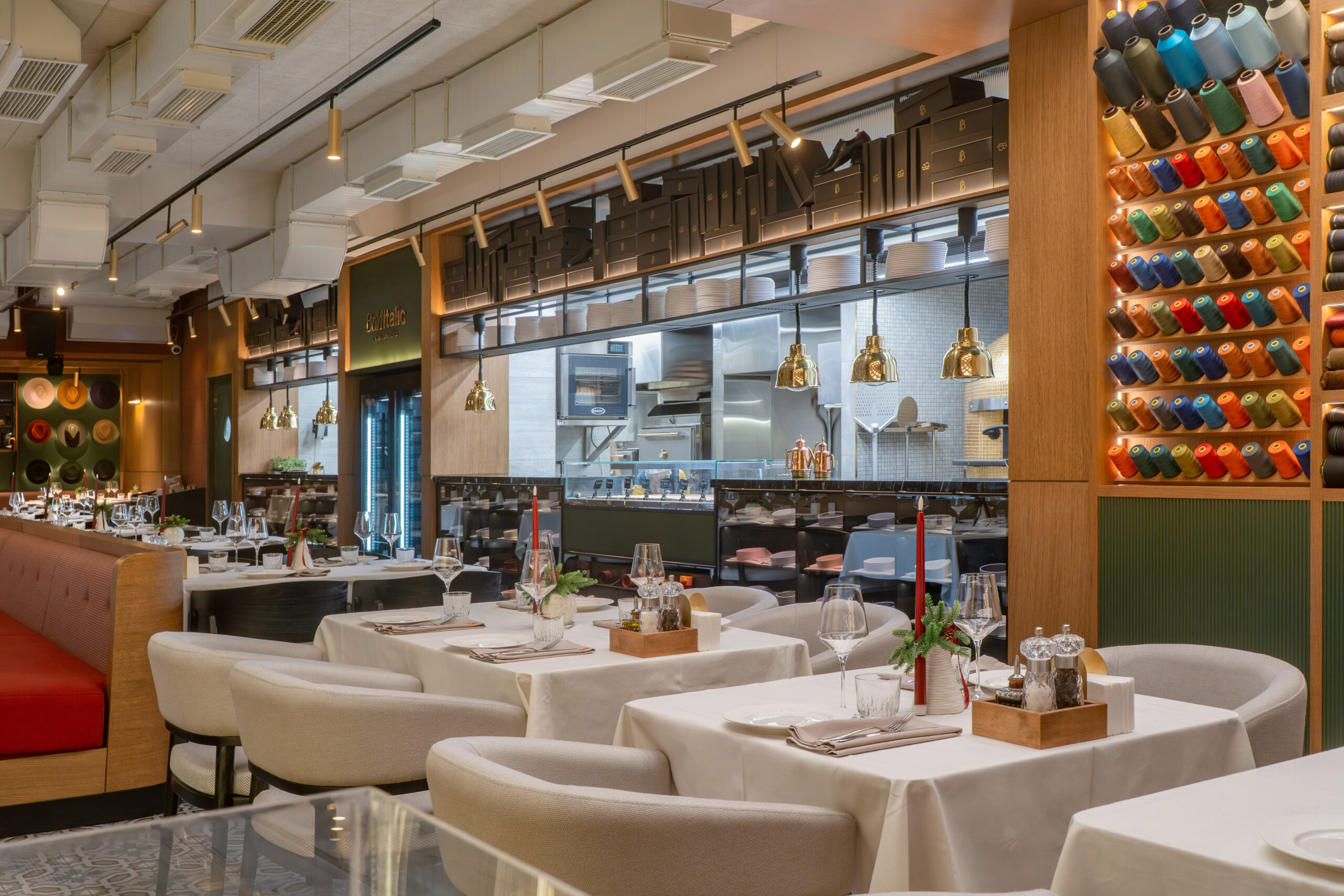
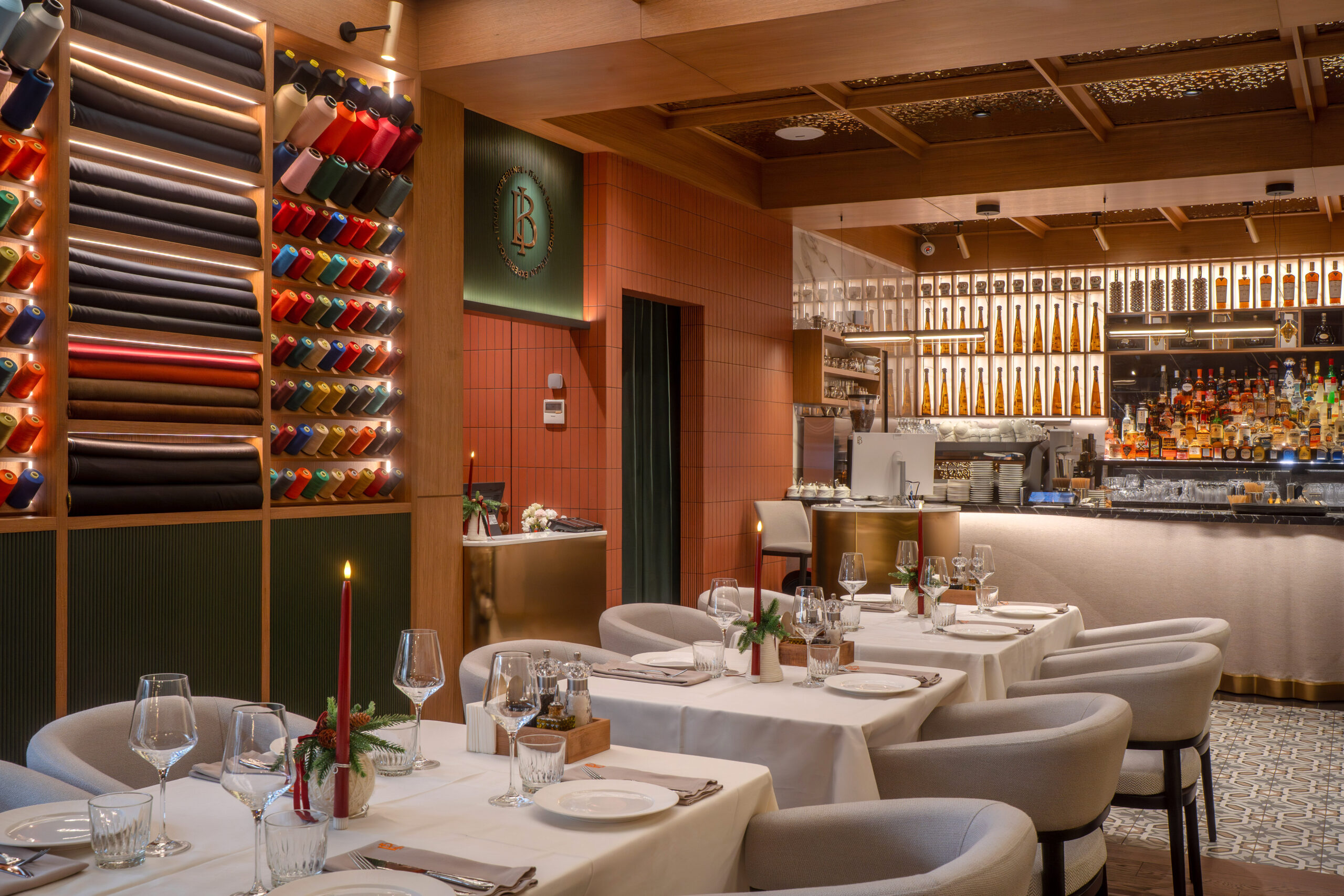
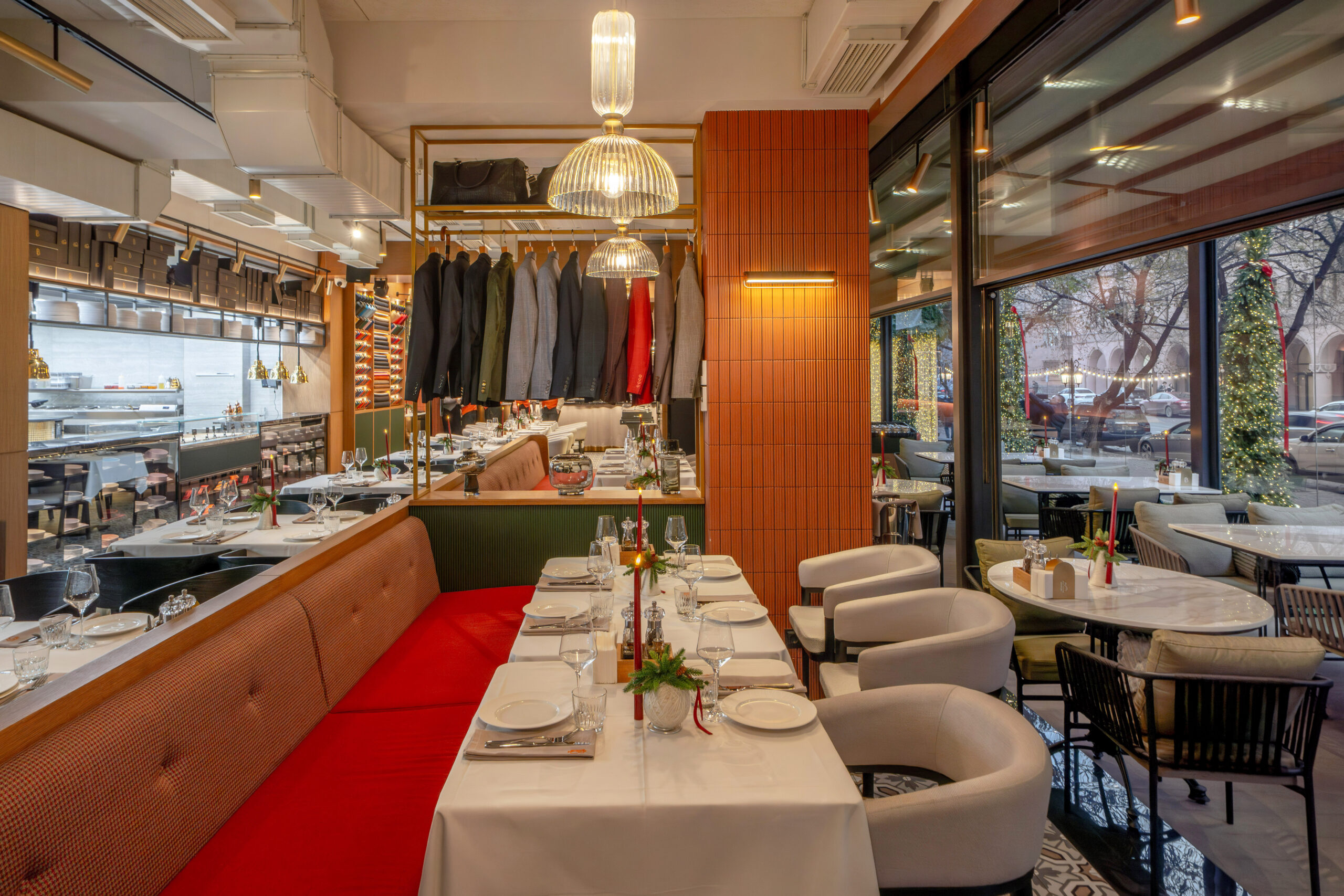
One of the most challenging projects I worked on was Bold Italic Restaurant. The concept of the space was inspired by the atmosphere of a classic men’s wardrobe and tailoring studio.
The main challenge was translating elements typically associated with fashion — fabrics, tailoring details, accessories and the aesthetics of a gentleman’s dressing room — into a coherent and functional restaurant environment. It required careful balance to ensure that the concept remained expressive and playful while still creating a comfortable and elegant dining atmosphere.
Another important aspect was maintaining the narrative throughout the space. Every detail, from materials and lighting to decorative elements and spatial composition, had to reinforce the idea of a refined yet slightly theatrical environment.
Projects like this are challenging because they demand not only design skills but also a strong conceptual discipline to ensure that storytelling and functionality work together seamlessly.
Which products/services could you not live without when designing? E.g. Lighting companies, furniture companies
Lighting, custom furniture and skilled craftsmanship are essential elements in my work.
Lighting is particularly important in hospitality design because it defines atmosphere and emotional perception of the space. A well-designed lighting scheme can completely transform how guests experience a restaurant.
Custom-made furniture and bespoke details are also crucial, as they allow the concept of the project to be expressed in a unique way rather than relying on standard solutions.
Finally, collaboration with skilled craftsmen and artisans is invaluable. Their knowledge of materials such as wood, metal, stone and textiles often brings authenticity and depth to the final design.
What are your aims and goals for the next twelve months?
Over the next twelve months my goal is to further expand the international presence of my studio, IMAGEMAN Interior & Architecture.
I am particularly interested in developing new hospitality concepts in the Middle East and other international markets where there is strong interest in unique dining experiences and concept-driven restaurants.
At the same time, I plan to continue exploring projects that combine gastronomy, storytelling and spatial design in more immersive ways. I believe the future of hospitality lies in creating environments that go beyond traditional restaurant interiors and become complete cultural and emotional experiences.