

To enter the awards, call us on: +44 (0)1244 401932

In Profile:
LOLA TUCKER INTERIORS

In Profile:

LOLA TUCKER INTERIORS

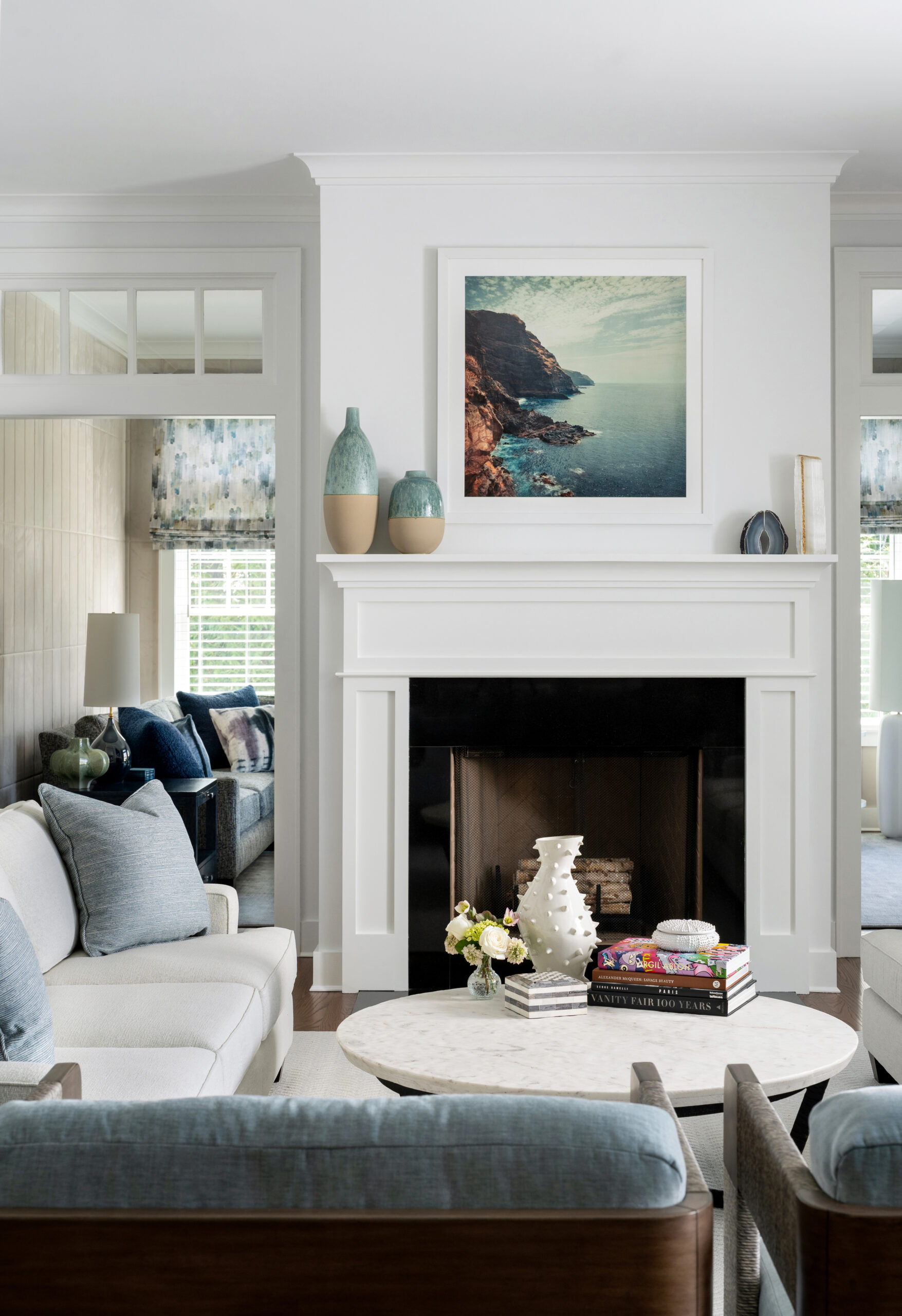
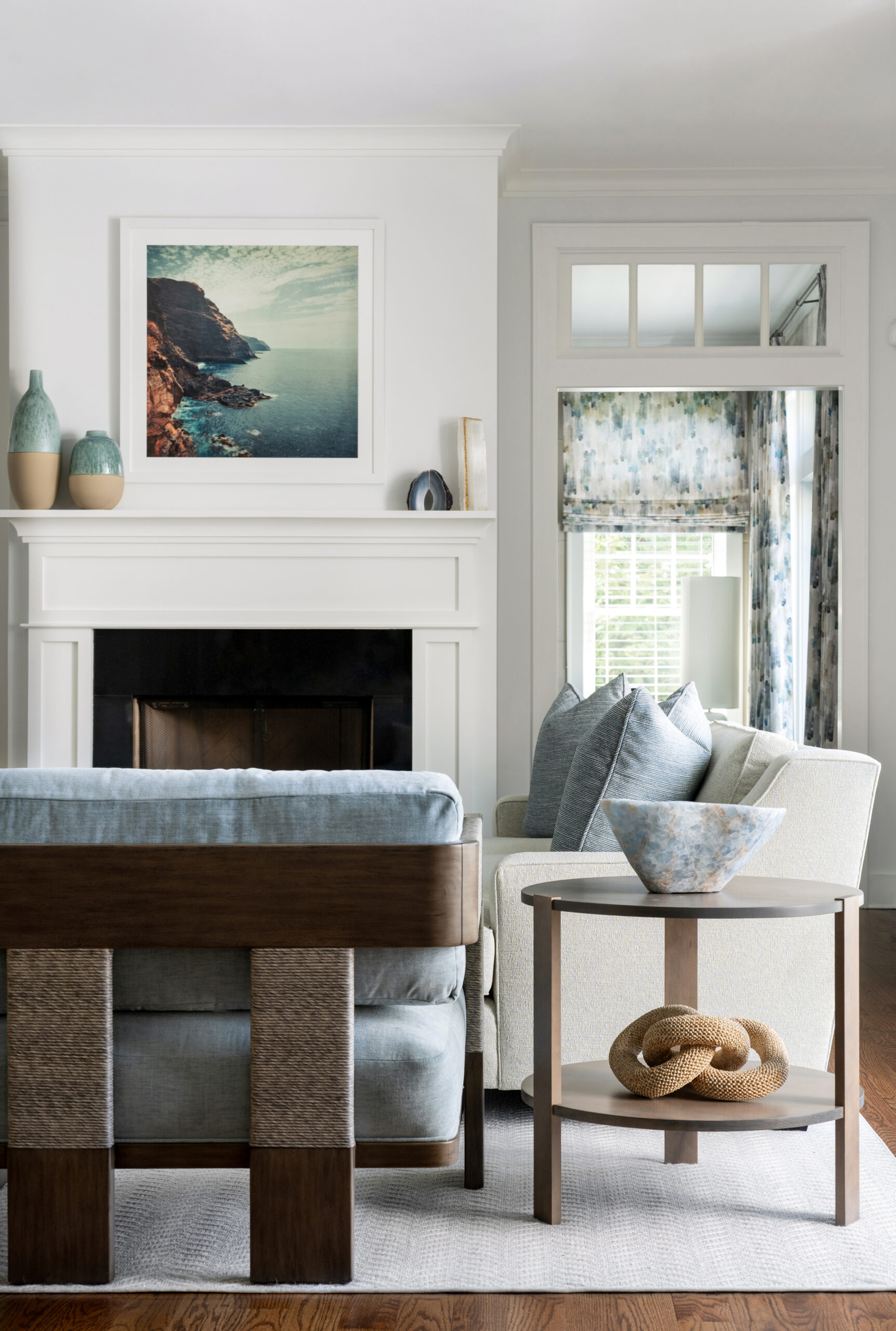
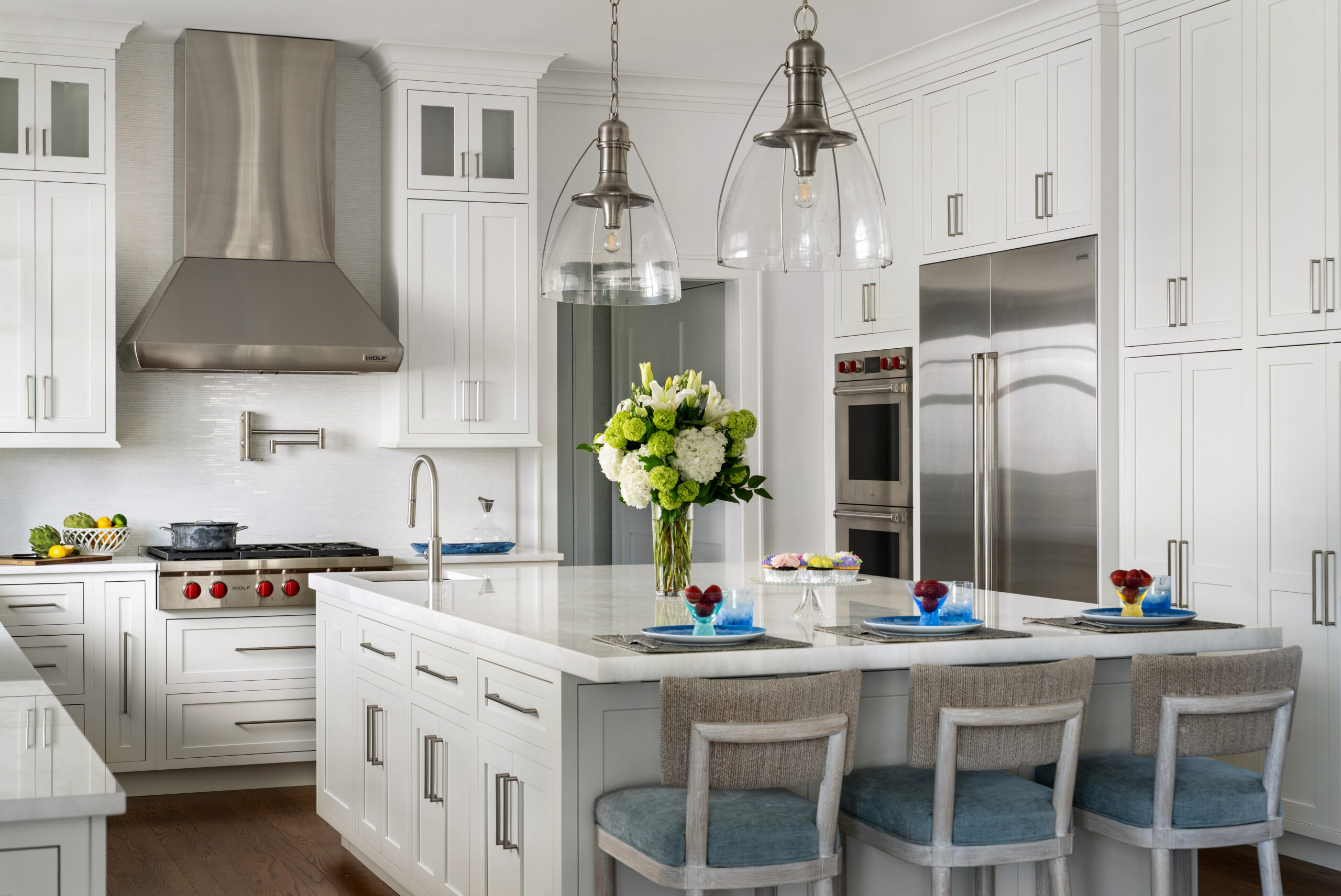
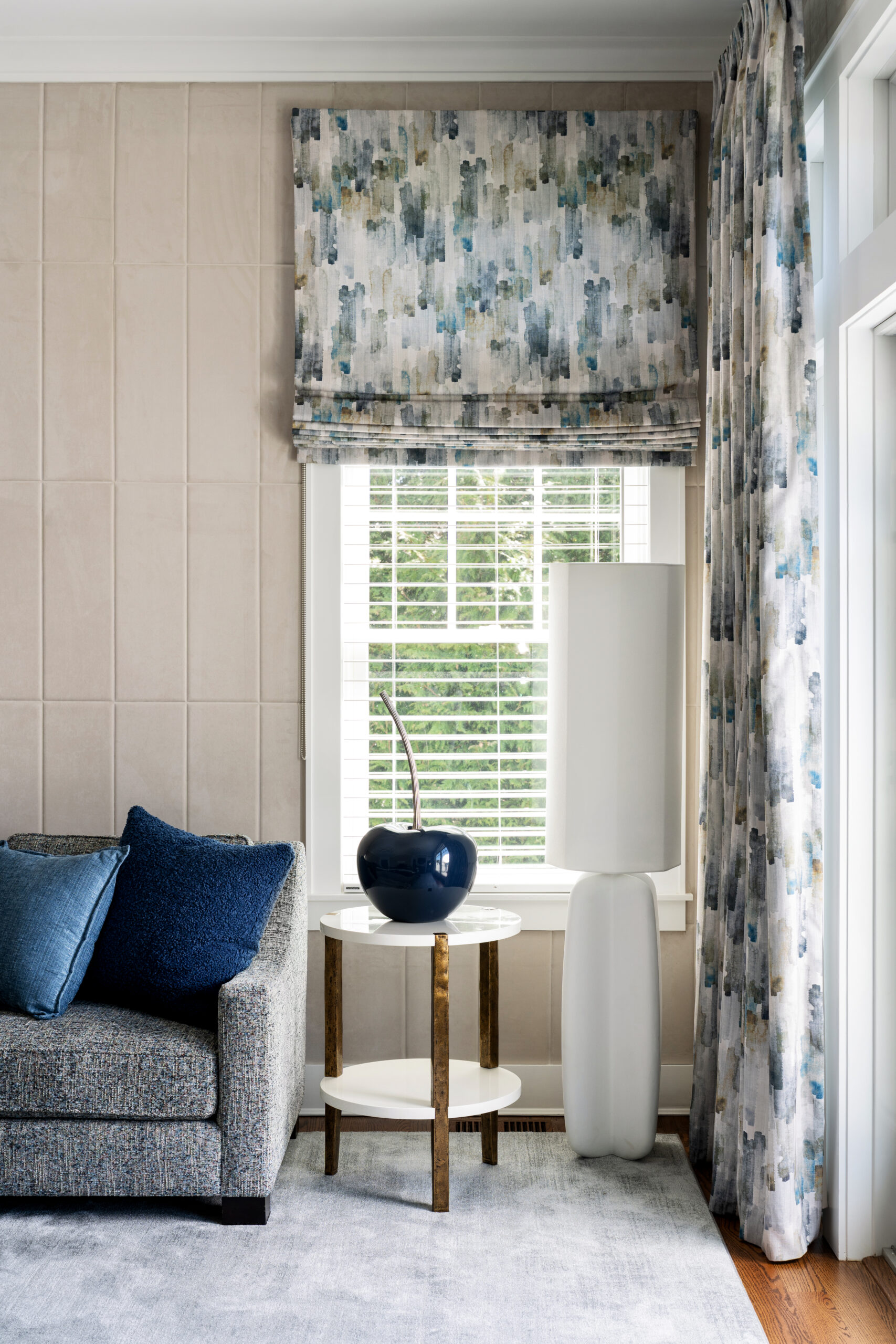
Shortlisted: Living Space - Americas Award

The International Design & Architecture Awards 2026

Name: Rebecca Goodman
Company Name: LOLA TUCKER INTERIORS
Position Within Company: Principal/Creative Director
Website: https://lolatucker.com/

Tell us a little about your background in design:

I’m Rebecca Goodman, founder and principal designer of Lola Tucker Interiors, a nationally recognized design firm specializing in high-end residential and commercial interiors. My journey into design began after a successful career in advertising sales, where I worked in fast-paced, creative environments across New York City, Chicago, and Los Angeles. Originally from the Midwest, I bring a grounded sensibility and a sharp instinct for storytelling, branding, and visual impact—skills that now shape how I approach every project.

After years in advertising, I returned to design school during a pivotal chapter in my life. My children were young, and my mother had recently been diagnosed with ALS. That moment of personal transformation led me to pursue what had always been a deep passion: interior design. I immersed myself in the craft, studying both the technical and emotional aspects of creating spaces that feel as good as they look. Soon after, I launched my own firm with a clear vision—to design environments that are elevated, soulful, and deeply personal.

Over the past decade, I’ve built Lola Tucker Interiors into an award-winning practice with a reputation for intuitive design, concierge-level client service, and emotionally intelligent spaces. My work has been recognized with multiple industry honors, including the Designer of the Year Platinum Award (2022) and Best in Customer Service for five consecutive years (2017, 2020–2024). Our projects have been featured in national publications and design platforms, reflecting both the quality of our work and the strength of our brand voice.

I’ve had the privilege of designing homes and commercial spaces across the country, collaborating with builders, developers, and artisans who share my passion for thoughtful, story-driven design. My style blends refined sophistication with funky, unexpected details—always curated, never chaotic. I’m drawn to layered textures, bold accents, and pieces that spark joy or conversation. I design with empathy and intuition, always considering how a space will be lived in—not just how it will photograph.

Travel is a constant source of inspiration. Whether I’m exploring a flea market in Paris, studying architectural details in Mexico City, or sourcing textiles in Morocco, I’m always chasing beauty, culture, and the stories behind the objects. These experiences infuse my work with richness and a global perspective that clients appreciate and feel.

Beyond design, I’m deeply invested in elevating my firm’s reputation through editorial storytelling, strategic partnerships, and award submissions that reflect our creative vision. I believe great design is both an art and a responsibility—to create spaces that support, inspire, and reflect the lives unfolding within them.

Lola Tucker Interiors is a reflection of my journey, my values, and my belief that home should be both beautiful and meaningful. Every project is an opportunity to tell a story, elevate the everyday, and create something lasting.

How would you describe your personal design style?

My design style is rooted in storytelling, soul, and surprise. I’m drawn to spaces that feel layered, lived-in, and emotionally resonant—where every detail has a purpose, and every corner invites curiosity. I love mixing the refined with the funky, the timeless with the unexpected. Whether it’s a sculptural lamp tucked into a quiet reading nook or a bold textile that anchors a serene palette, I believe great design should make you feel something.

I gravitate toward interesting, emotionally charged pieces—objects with history, character, or a touch of whimsy. I’m not afraid of contrast. In fact, I seek it out. A room should have rhythm and tension, softness and edge. I love the thrill of the hunt: discovering that one accessory that transforms a space, or layering materials in a way that feels both fresh and familiar. I’m especially drawn to unexpected pairings—an antique mirror above a modern console, a playful wallpaper in a formal hallway, or a handcrafted ceramic nestled beside a sleek, tailored sofa.

My style is eclectic, but never chaotic. It’s curated, intentional, and deeply personal. I design with intuition and empathy, always thinking about how a space will be lived in—not just how it will look. I listen closely to my clients, and I design with their stories in mind. That’s why my work often includes moments of surprise: a pop of color where you least expect it, a vintage find that sparks conversation, or a custom detail that reflects a client’s personality in a subtle but powerful way.

At Lola Tucker Interiors, we don’t follow trends—we follow feeling. My mother, Laura, taught me that beauty is worth chasing, and that the right detail can lift a spirit. Her legacy lives in my work. She had an eye for the unusual, a love for the imperfect, and a belief that home should reflect who you are. I carry that with me in every project. The name “Lola Tucker” itself is a tribute to her and to our beloved family dog—symbols of warmth, loyalty, and emotional connection.

Ultimately, my style is about creating spaces that feel soulful, elevated, and joyfully unexpected. I want people to walk into a room and feel something—comfort, curiosity, delight. I want them to pause, to notice, to connect. That’s the magic of design. It’s not just about what you see—it’s about what you feel.

Design, for me, is a deeply personal process. It’s about honoring stories, elevating everyday moments, and crafting environments that reflect both beauty and meaning. I design with heart, with instinct, and with a reverence for the lives unfolding within each space. That’s my style. And that’s the soul of Lola Tucker Interiors.

Where does your design inspiration come from?

Lola Tucker Interiors is more than a design firm—it’s a tribute to legacy, love, and the transformative power of home. I returned to design school after a successful career in advertising, driven by a lifelong passion for interiors and a desire to create spaces that evoke emotion and meaning. During this pivotal time, my mother Laura was diagnosed with ALS. She was not only my greatest inspiration, but also my closest confidante and design muse. We shared a deep appreciation for the hunt—the perfect accessory, the unexpected detail, the story behind the space.

Design became my refuge. As my mother’s health declined, I found solace and purpose in creating beauty. My young children, unable to pronounce “Grandma Laura,” affectionately called her “Lola.” The name stuck, and when I launched my firm, I chose “Lola” to honor her spirit. “Tucker,” the name of our beloved Golden Retriever, added warmth and familiarity. Together, *Lola Tucker* symbolizes the heart of my design philosophy: spaces that are personal, soulful, and deeply connected to the people who inhabit them.

Though my mother passed away over 18 years ago, I continue to feel her presence in every project. Her legacy guides my work—an instinct for beauty, a reverence for storytelling, and a belief that design should reflect the lives and loves of its owners. I design with emotion, intuition, and intention. I listen closely, ask thoughtful questions, and seek to understand not just how my clients live, but how they want to feel in their spaces.

My inspiration comes from many places: my mother’s eye for detail, my children’s joyful curiosity, the clients who trust me with their homes, and the belief that great design is never just about aesthetics—it’s about connection. I’m drawn to materials that tell a story, palettes that evoke memory, and layouts that invite both comfort and conversation. Whether it’s a quiet reading nook or a dramatic dining room, I strive to create environments that feel layered, lived-in, and emotionally resonant.

At Lola Tucker Interiors, we don’t just decorate—we curate experiences. We honor the past, celebrate the present, and design for the future. Every project is an opportunity to tell a story, to elevate the everyday, and to create something lasting. My mother believed that beauty was worth chasing, and that the right piece—whether a vintage lamp or a custom textile—could lift a spirit and transform a space.

That belief is the foundation of my work. It’s why I design. It’s why I listen. And it’s why every space we create is infused with heart, history, and soul.

In what direction do you feel that design is moving towards in a general sense?

Design is moving in a direction that’s more personal, soulful, and emotionally intelligent than ever before. Across the industry, there’s a clear shift away from sterile minimalism and trend-driven aesthetics toward interiors that feel layered, lived-in, and deeply expressive. Clients are craving spaces that reflect their stories, not just their status. This means embracing imperfection, celebrating individuality, and curating environments that feel authentic rather than overly styled. One of the most significant changes is the rise of sustainability and craftsmanship over mass production. Designers and homeowners alike are turning away from disposable décor and fast furniture in favor of timeless, well-made pieces that carry history and meaning. Vintage finds, artisan-made furnishings, and repurposed materials are becoming staples—not just for their environmental value, but for the soul they bring to a space. Texture is also taking center stage as a design language. From limewash walls and plaster ceilings to woven textiles and natural stone, designers are layering tactile elements to create depth and warmth. These materials invite touch and evoke emotion, making spaces feel more intimate and grounded. Color is making a bold comeback, too. While neutrals still have their place, rich, saturated tones—plums, forest greens, ochres, and moody blues—are being used to create drama and coziness. These palettes, especially when paired with natural textures and layered lighting, help transform rooms into sanctuaries. The “quiet luxury” movement continues to gain momentum, emphasizing elevated materials, understated elegance, and a sense of ease. Think tailored upholstery, heirloom-quality finishes, and spaces that feel both aspirational and approachable. This aesthetic, often associated with the Nancy Meyers look, is warm, lived-in, and effortlessly chic. It’s less about opulence and more about emotional resonance. Wellness-centered design is also shaping the future. Homes are being designed as sanctuaries for restoration and balance, with biophilic elements, calming palettes, and layouts that support rest, connection, and mindfulness. The goal is to create environments that nurture mental and physical wellbeing, not just visual appeal. There’s also a renewed interest in traditional design elements—arched doorways, antique furniture, and historical references—but reimagined through a modern lens. Designers are blending heritage with innovation, creating spaces that honor the past while embracing the present. This return to classicism is not about nostalgia—it’s about depth, character, and timelessness. Most importantly, design is becoming more human. Personalization is replacing perfection. Clients want homes that reflect their quirks, passions, and memories. Designers are responding by layering in personal artifacts, custom details, and unexpected moments that spark joy or conversation. It’s no longer about following trends—it’s about following feeling. This shift aligns beautifully with the ethos of designers who value storytelling, emotional connection, and intuitive design. It’s a movement toward spaces that support real life, celebrate individuality, and elevate the everyday. As design continues to evolve, the most compelling work will come from those who listen deeply, design with intention, and aren’t afraid to break the rules in service of something meaningful. The future of design isn’t just stylish—it’s soulful, sustainable, and unapologetically personal.
Name five key themes to consider when approaching design in the future.

The future of interior design is being shaped by five key themes that reflect a deeper cultural shift toward authenticity, intentionality, and emotional resonance. These themes—sustainability, personalization, emotional wellness, multifunctionality, and bold self-expression—are not just trends; they’re guiding principles for how people want to live, and how designers are responding with empathy, creativity, and purpose.

First, sustainability is no longer optional—it’s essential. Designers and clients alike are prioritizing eco-conscious choices, from reclaimed wood and recycled textiles to vintage furnishings and low-impact finishes. There’s a growing appreciation for craftsmanship and longevity, with an emphasis on sourcing materials responsibly and designing spaces that endure. This shift isn’t just about environmental impact—it’s about creating homes that feel soulful and grounded, filled with pieces that carry history and meaning.

Second, personalization is taking center stage. The days of cookie-cutter interiors are fading, replaced by spaces that reflect the quirks, passions, and stories of the people who inhabit them. Designers are curating with intention, layering in heirloom objects, custom details, and unexpected accents that make a space truly one-of-a-kind. Whether it’s a funky vintage lamp, a family photo gallery wall, or a bespoke textile, these elements add emotional depth and individuality. The goal is no longer perfection—it’s authenticity.

Third, emotional wellness is becoming a core design priority. Homes are being designed as sanctuaries for restoration and balance, with layouts that support rest, connection, and mindfulness. Biophilic design—bringing nature indoors through plants, natural light, and organic materials—is gaining momentum. So are calming palettes, soft textures, and spaces that encourage quiet moments. Designers are thinking beyond aesthetics to create environments that nurture mental and physical wellbeing, helping people feel safe, supported, and inspired.

Fourth, multifunctionality is redefining how we use space. With hybrid work models, urban living, and evolving family dynamics, flexibility is key. Designers are creating rooms that serve multiple purposes—home offices that double as guest rooms, dining areas that transform into workspaces, and furniture that adapts to changing needs. This approach promotes efficiency, minimalism, and thoughtful use of square footage, without sacrificing style or comfort. It’s about designing for real life, with all its complexity and fluidity.

Finally, bold self-expression is making a joyful return. After years of neutral palettes and restrained styling, clients are embracing vibrant colors, eclectic patterns, and playful statements. From emerald green walls to sculptural lighting and maximalist art collections, interiors are becoming more dynamic and expressive. This reflects a cultural shift toward confidence, creativity, and joy in design choices. Designers are encouraging clients to take risks, trust their instincts, and celebrate their unique point of view.

Together, these five themes represent a powerful evolution in interior design—one that values meaning over trend, feeling over formula, and story over style. For designers who lead with intuition, empathy, and a love for the unexpected, this is an exciting time. The future of design isn’t just beautiful—it’s personal, purposeful, and profoundly human.

If you could offer one piece of advice when it comes to designing, what would it be?

If I could offer one piece of advice when it comes to designing, it would be this: design for feeling, not just for function or aesthetics. The most memorable spaces—the ones that linger in your mind long after you’ve left them—aren’t necessarily the most expensive or trend-forward. They’re the ones that evoke emotion. They make you feel something. Whether it’s comfort, curiosity, joy, nostalgia, or serenity, great design connects on a human level. It’s not just about how a space looks—it’s about how it lives. When you approach design with empathy and intuition, you begin to see beyond the surface. You start asking deeper questions: How will someone move through this space? Where will they pause, gather, rest, or reflect? What memories will be made here? What story does this room tell? These are the questions that lead to meaningful design.

Designing for feeling means listening closely—to your client, to the architecture, to the energy of the space itself. It means resisting the urge to follow trends blindly and instead trusting your instincts. It means choosing materials that invite touch, colors that evoke mood, and layouts that support connection. It’s about layering in personal details that reflect the lives unfolding within the space. A vintage lamp that reminds someone of their childhood home. A bold textile that sparks joy. A quiet reading nook that offers refuge. These are the moments that matter.

Function is important, of course. A space must work well. It must support the rhythms of daily life. But function alone isn’t enough. A perfectly efficient kitchen can still feel cold. A beautifully styled living room can still feel impersonal. Feeling is what transforms a space from usable to unforgettable. It’s what makes someone walk into a room and say, “This feels like me,” or “I never want to leave.”

As a designer, your greatest tool isn’t your moodboard or your CAD software—it’s your ability to empathize. To imagine how someone will experience a space. To design not just for the eye, but for the heart. That’s where the magic lives. And that’s what sets truly great design apart.

So my advice is this: slow down. Listen. Ask questions that go beyond square footage and style preferences. Be curious about your client’s story, their rituals, their dreams. Let those insights guide your choices. Don’t be afraid to take risks, to include something funky or unexpected, to break the rules in service of something meaningful. And most importantly, trust that feeling is a valid design metric. It’s not fluff—it’s the foundation.

Design for feeling, and everything else will follow. You’ll create spaces that are not only beautiful, but deeply personal. Spaces that support, inspire, and reflect the people who live in them. That’s the kind of design that lasts. That’s the kind of design that matters.

How important are The International Design & Architecture Awards?

The International Design & Architecture Awards are among the most prestigious honors in the global design community, and for good reason. Organized by *design et al*, these awards celebrate excellence across interior design, architecture, and product innovation, offering a platform that goes far beyond recognition—it’s about visibility, credibility, and connection. For designers who value storytelling, emotional intelligence, and elevated aesthetics, this program represents a powerful opportunity to showcase meaningful work on a global stage.

Unlike many design competitions, these awards are not judged solely by a small panel. Instead, they are voted on by thousands of industry professionals and design enthusiasts around the world. In recent years, voting has reached over 120,000 participants, with each vote taking an average of 38 minutes to complete. This level of engagement ensures that shortlisted and winning projects are chosen by a broad, invested community—making the recognition both democratic and deeply meaningful. It’s not just about impressing a jury; it’s about resonating with peers, collaborators, and clients who understand the nuance and impact of great design.

For firms like Lola Tucker Interiors, being shortlisted or winning an International Design & Architecture Award is more than an accolade—it’s a strategic milestone. It validates the emotional depth, craftsmanship, and originality that go into every project. It signals to clients, collaborators, and editors that your work stands out not just for its beauty, but for its soul. These awards celebrate design that elevates everyday life, honors personal stories, and reflects the lives unfolding within each space—values that are at the heart of our practice.

The benefits extend well beyond the ceremony. Finalists receive year-round editorial coverage, PR support, and digital promotion through *design et al*’s platforms, which reach hundreds of thousands of followers across print and social media. Winners are featured in exclusive studio spotlights, receive a custom award logo for marketing and press use, and are honored with a trophy that symbolizes creative excellence. This kind of exposure can open doors to new clients, partnerships, and publication opportunities—especially for firms looking to expand their influence and share their vision with a wider audience.

In a competitive and ever-evolving industry, awards like these help define what thoughtful, forward-thinking design looks like. They celebrate not just trends, but timelessness. Not just style, but substance. For designers who lead with intuition, empathy, and a love for the unexpected, The International Design & Architecture Awards offer a platform to be seen, heard, and celebrated.

At Lola Tucker Interiors, we believe that great design is both an art and a responsibility. Being recognized by this program affirms our commitment to creating spaces that are not only visually stunning, but emotionally resonant. It’s an honor—and a reminder—that soulful design has the power to move people, shape experiences, and leave a lasting impression.

What projects are you currently working on?

At Lola Tucker Interiors, we’re entering 2026 with a sense of momentum, clarity, and creative energy that feels electric. Our studio is currently immersed in several new construction projects across the Hamptons—each one a unique opportunity to shape homes from the ground up with our signature blend of emotional intelligence, elevated aesthetics, and concierge-level service. These builds allow us to collaborate closely with architects and developers from the earliest stages, ensuring that every detail—from spatial flow to finish selections—reflects the lifestyle and aspirations of the families who will live there. It’s a chance to design holistically, with intention and artistry, and we’re embracing it fully.

Beyond residential work, we’re thrilled to be expanding into hospitality with a high-end hotel project on the horizon. This marks an exciting evolution for our firm, allowing us to translate our storytelling and design ethos into a guest experience that’s immersive, luxurious, and unforgettable. We’re approaching this opportunity with fresh eyes and bold ideas—thinking about how to create spaces that feel both transportive and deeply grounded, where every material, texture, and layout choice contributes to a sense of comfort and wonder. It’s a new challenge, and one we’re ready to meet with the same care and creativity that defines our residential work.

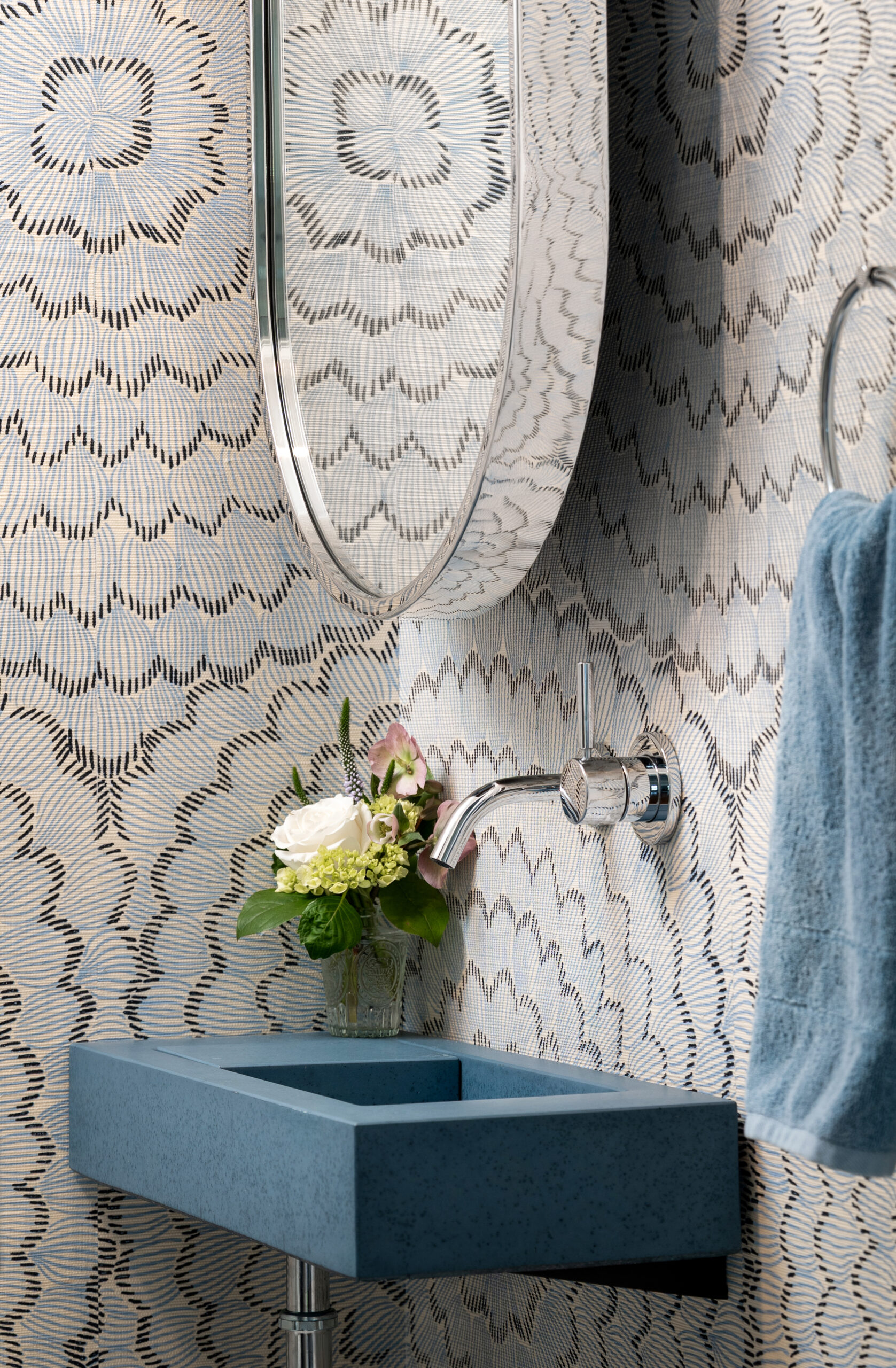
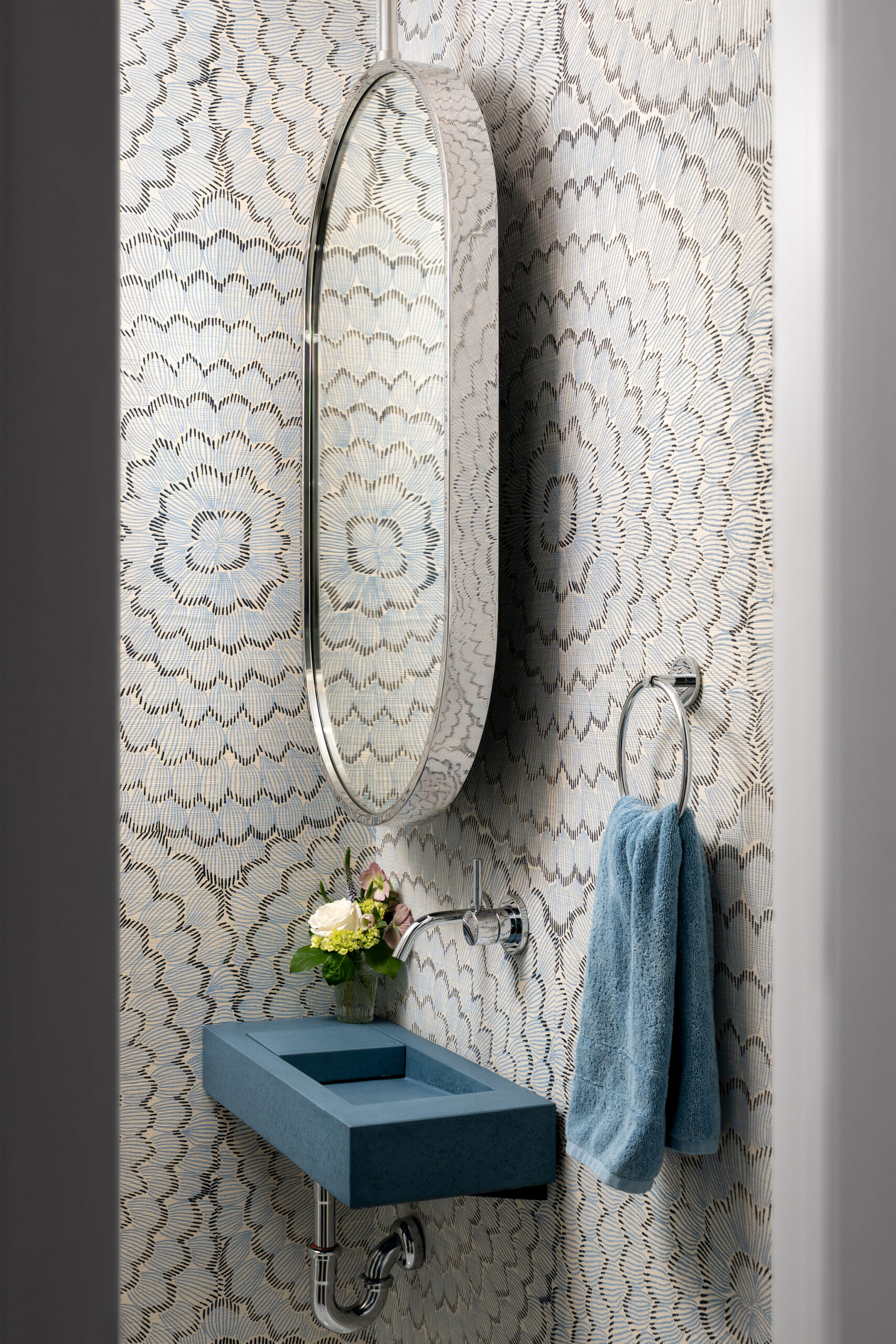
We also have a slate of fun, inspiring projects underway—from pied-à-terres and beach houses to commercial spaces and editorial collaborations. Each one offers a different lens through which to explore design, and we’re energized by the diversity of scale, style, and storytelling. Whether we’re curating a serene retreat for a family of six or crafting a jewel-box powder room that makes a bold statement, we approach every project with the same commitment to excellence and authenticity.

What makes this moment especially exciting is the clarity of our vision. We’re not just designing beautiful spaces—we’re building a brand that reflects our values: empathy, integrity, and a belief that great design should feel personal. We’re refining our processes, deepening our builder relationships, and continuing to elevate our digital presence and editorial voice. We’re also investing in our team, nurturing talent, and fostering a studio culture that’s collaborative, curious, and joyfully ambitious.

2026 is already shaping up to be our best year yet—not just in terms of volume, but in the depth and meaning of the work we’re doing. We’re designing with heart, building with intention, and continuing to push the boundaries of what thoughtful, high-end interiors can be. We’re grateful for the trust our clients place in us, and we’re excited to keep creating spaces that feel like home, wherever they are. The future feels bright, and we’re ready to meet it with open arms and open minds.

What was your favourite project to work on and why?

One of the most meaningful projects we’ve ever undertaken at Lola Tucker Interiors was designing a sanctuary for a quadriplegic client—a space that honored her physical needs, cultural identity, and emotional wellbeing. The original layout consisted of two small, dimly lit rooms that felt more institutional than residential. Our goal was to transform this fragmented, clinical environment into a single, expansive suite that offered comfort, beauty, and dignity. We began by reimagining the footprint, combining the two rooms into one cohesive space anchored by a sleek gas fireplace—a symbol of warmth and home. Every design decision was made with intention and empathy. We integrated adaptive technology to support her mobility and independence, ensuring that the space functioned seamlessly without sacrificing style. Voice-activated lighting, motorized drapery, and custom cabinetry with accessible pulls allowed her to navigate with ease and autonomy. The finishes were unapologetically high-end: polished surfaces, layered textures, and rich materials that elevated the room from utilitarian to luxurious. We wanted her to feel not just accommodated, but celebrated.

One of the standout elements was a red velvet couch—chosen not only for its bold elegance, but because red is considered a good luck color in our client’s culture. It was important to us that the space reflect her identity and heritage, not just her medical needs. The red velvet added a sense of drama and joy, anchoring the room with both cultural significance and visual impact. Perhaps the most personal touch was the transformation of her hospital bed. Rather than leaving it as a clinical centerpiece, we padded it in faux ostrich leather to mimic the look and feel of a high-end hotel bed. This detail was more than aesthetic—it was symbolic. It said, “You deserve comfort. You deserve luxury. You deserve to feel at home.” It was a gesture of dignity, and one that resonated deeply with both our client and our team.

Designing for a differently abled client reminded us of our own mother, who faced physical limitations later in life with her diagnosis of ALS at 52. It was a deeply emotional experience that reinforced one of our core beliefs: everyone has the right to beautiful design. Everyone deserves to feel safe, comforted, and inspired in their own space. This project wasn’t just about accessibility—it was about agency, joy, and the transformative power of thoughtful design. We worked closely with her family to ensure that every detail—from the symbolism of red to the tactile comfort of materials—felt authentic and empowering. The final result was a space that felt both elevated and deeply personal. It was a room that supported our client’s daily life while also honoring her spirit. It was a sanctuary in every sense of the word. This project exemplifies what we strive for at Lola Tucker Interiors: intuitive design, emotional intelligence, and a commitment to creating spaces that reflect the full humanity of the people who inhabit them.

What was your most challenging project to work on and why?

One of the most challenging and rewarding projects we’ve ever taken on at Lola Tucker Interiors was designing a serene family home in Maui for a New York City-based family of six—while they remained in NYC and no one was living on the island. It was a long-distance undertaking that demanded not only design vision, but strategic problem-solving, resourcefulness, and deep empathy. The family was relocating to the top of a mountain in Maui, and our mission was clear: create a home that felt instantly warm, welcoming, and deeply personal the moment they walked through the door. We wanted it to feel like home—not a vacation rental, not a remote outpost, but a true sanctuary that reflected their lifestyle, values, and aesthetic sensibilities.

The logistical hurdles were significant. With no one on-site and limited access to local resources, we had to devise the most efficient and cost-effective way to source, ship, and install fixtures and finishes without compromising quality or blowing the budget. We leaned heavily on our vendor relationships, negotiated freight solutions, and coordinated with local trades remotely—often across time zones and with limited cell service on the mountain. Every decision had to be airtight, from selecting materials that could withstand Maui’s climate to ensuring deliveries arrived on time and intact. We created detailed installation guides, virtual walkthroughs, and layered contingency plans to keep the project moving forward without a physical presence.

Design-wise, the challenge was to balance the family’s urban sensibilities with the natural serenity of their new environment. We curated a palette that felt both grounded and elevated—soft neutrals, organic textures, and subtle nods to island life without leaning into cliché. The layout prioritized flow and connection, with open communal spaces and private retreats that honored the needs of each family member. We sourced durable yet beautiful materials that could handle humidity and wear, and we infused the home with thoughtful touches: custom millwork, layered lighting, and furnishings that felt collected rather than staged.

What made this project especially meaningful was the emotional weight behind it. This wasn’t just a relocation—it was a reinvention. The family was leaving behind the pace and density of city life for something quieter, more intentional. We wanted the home to reflect that shift, to offer a sense of peace and possibility. When they finally arrived, the house was ready—not just structurally, but emotionally. It felt lived-in, loved, and unmistakably theirs.

This project pushed us to expand our capabilities, refine our systems, and trust our instincts. It reminded us that great design isn’t just about proximity—it’s about connection, clarity, and care. And it reaffirmed one of our core beliefs: that no matter the distance, design can—and should—feel personal.

Which products/services could you not live without when designing? E.g. Lighting companies, furniture companies

As designers, we rely on a constellation of products and services that make our work not only possible, but exceptional. These elements are the backbone of every Lola Tucker Interiors project—quietly supporting our creative vision, enhancing our clients’ lives, and ensuring that every space we touch feels intentional, elevated, and deeply personal. While aesthetics are always central, functionality, quality, and reliability are equally critical. We’re constantly balancing beauty with performance, and the tools we depend on must deliver on both fronts.

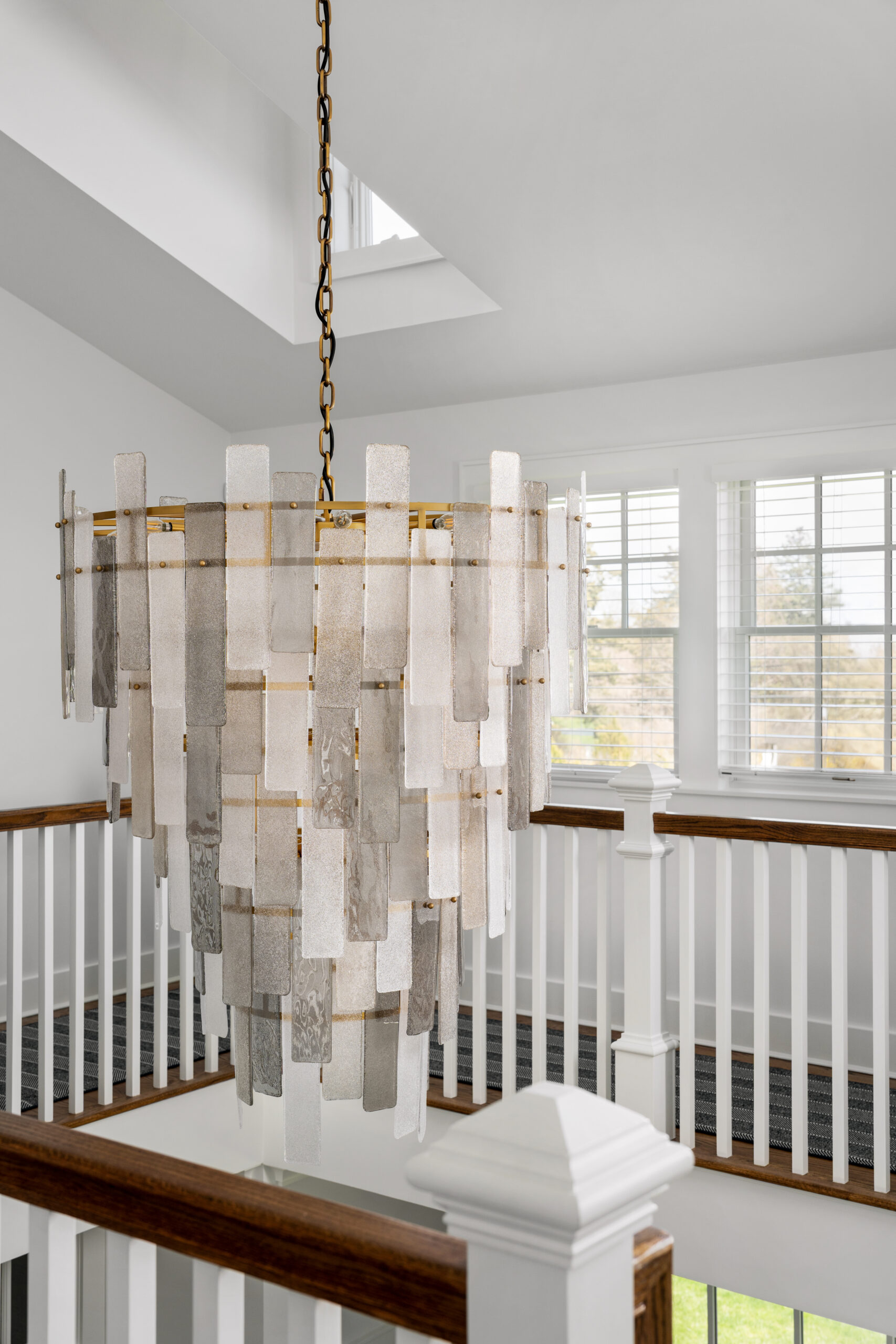
Lighting is one of the most transformative aspects of any space. It defines mood, highlights architectural features, and brings materials to life. Whether we’re designing a serene bedroom retreat or a dramatic entryway, we rely on layered lighting plans that include ambient, task, and accent lighting. Fixtures must perform beautifully and act as sculptural elements—pieces that feel like art in their own right. Dimmers, smart controls, and thoughtful placement allow spaces to shift effortlessly from day to night, from functional to atmospheric.

Furniture is another cornerstone of our process. We gravitate toward pieces that are timeless, well-crafted, and customizable. Comfort is non-negotiable, especially in family homes where durability and livability are just as important as form. We often mix silhouettes and materials to create a collected, curated feel—pairing tailored upholstery with organic woods, or sleek metals with soft, tactile fabrics. Customization allows us to tailor scale, finishes, and details to suit each space and client.

Textiles and soft goods bring warmth, texture, and personality. From drapery and rugs to bedding and upholstery, these elements soften a space and make it feel lived-in and layered. We’re drawn to natural fibers, nuanced weaves, and subtle patterns that add depth without overwhelming. In coastal or high-humidity environments, performance fabrics are essential, offering beauty without sacrificing practicality.

Hardware and plumbing fixtures are the jewelry of the home. We pay close attention to the tactile experience—how a cabinet pull feels in the hand, how a faucet functions, how finishes age over time. These details may seem small, but they have an outsized impact on the daily experience of a space. We often mix metals and finishes to create visual interest and avoid a one-note look.

Behind the scenes, we rely on a network of services that make our work possible. White-glove receivers, skilled tradespeople, millworkers, and installers are integral to executing our vision with precision and care. We also depend on digital tools for project management, remote collaboration, and client presentations—especially for long-distance builds or fast-paced timelines.

Ultimately, the products and services we can’t live without are the ones that help us deliver on our promise: to create spaces that are not only beautiful, but deeply thoughtful and tailored to the people who live in them. They’re the invisible scaffolding behind every Lola Tucker Interiors project—and we’re endlessly grateful for them.

What are your aims and goals for the next twelve months? 

Over the next 12 months, my design goals are centered around creative expansion, strategic growth, and deepening the emotional impact of our work. At Lola Tucker Interiors, we’re entering a season of exciting momentum, and I’m committed to making 2026 our most intentional and inspiring year yet. One of my top priorities is delivering excellence across our new construction projects in the Hamptons. These builds allow us to shape homes from the ground up, collaborating closely with architects and builders to ensure every detail—from spatial flow to finish selections—reflects our firm’s elevated, emotionally intelligent ethos. I want each home to feel deeply personal, luxurious, and livable, with storytelling woven into every corner. Simultaneously, we’re preparing to expand into hospitality with a high-end hotel project that’s currently in development. This marks a thrilling evolution for our studio, and my goal is to translate our residential design philosophy into a guest experience that feels immersive, transportive, and unforgettable. I’m thinking about how to create spaces that evoke warmth, sophistication, and a sense of belonging—where every material, texture, and layout choice contributes to comfort and wonder. Another major goal is to pursue high-level press and accolades that validate our creative leadership and amplify our influence. We’re refining project narratives, coordinating photography, and tailoring submissions to align with the standards of top-tier editorial platforms and design awards. I want our work to be recognized not just for its beauty, but for its emotional resonance, craftsmanship, and thoughtful execution. On the digital front, I’m focused on expanding our online presence and thought leadership. I want Lola Tucker Interiors to be known not only for stunning interiors, but for shaping conversations around design, accessibility, and the power of storytelling. This includes curated content, strategic social media, and possibly long-form features that offer a deeper look into our process and philosophy. Strengthening builder and client relationships is also a key goal. I’m committed to showing up with clarity, humility, and proactive follow-through—reinforcing trust and demonstrating growth. This means refining our outreach language, setting clear expectations, and honoring our reputation for grace under pressure. Internally, I’m investing in our team, nurturing talent, and fostering a studio culture that’s collaborative, curious, and joyfully ambitious. I’m also continuing to refine our operational systems—from sourcing and logistics to client experience—so that every project runs smoothly and reflects our commitment to excellence. Above all, I want to keep designing with heart. Whether it’s a mountaintop retreat in Maui or a sanctuary for a differently abled client, our work is rooted in empathy and the belief that everyone deserves beauty, comfort, and joy. The next 12 months are about deepening our impact, elevating our voice, and continuing to create spaces that reflect the full humanity of the people who inhabit them. I’m ready to meet this chapter with open arms, open eyes, and a renewed sense of purpose.

Your most treasured possession?

My most treasured possession isn’t something I can hold in my hands or display on a shelf—it’s my family, and the time we spend together. That’s what grounds me, fuels me, and gives meaning to everything I do. My husband and I live in New York, while our kids are based in San Francisco, which means we don’t get to see each other every day. But when we do, those moments feel sacred. Whether it’s a long weekend visit, a holiday spent under one roof, or even a spontaneous FaceTime call, every connection is a reminder of what truly matters. In a world that moves fast and demands so much, those shared moments—however brief—are my greatest luxury.

As a designer, I spend my days creating spaces that feel like home for other people. I think deeply about comfort, beauty, and emotional resonance. But when I think about what “home” means to me, it’s not a place—it’s my people. It’s the sound of my kids laughing in the kitchen, the quiet rhythm of a morning coffee with my husband, the feeling of being together without needing to say much at all. That’s the heartbeat of my life. It’s what I carry with me into every project, and it’s what I try to reflect in the spaces I design: a sense of belonging, warmth, and connection.

Living on opposite coasts has taught me to be intentional with time. We plan visits with care, we make the most of every minute, and we’ve learned to find joy in the small things—like sending each other photos of our dinners, sharing playlists, or watching the same movie “together” from afar. It’s not always easy, but it’s taught me to cherish the present and to prioritize relationships over routines. It’s also made me more empathetic as a designer. I understand what it means to miss someone, to crave closeness, to want a space that holds you emotionally even when your loved ones are far away. That understanding shapes how I approach every project, especially those designed for families in transition or homes meant to bring people together.

I often say that design is about more than aesthetics—it’s about how a space makes you feel. And for me, the feeling I treasure most is the one I get when I’m with my family. It’s grounding, joyful, and deeply human. It reminds me why I do what I do. My family is my anchor, my inspiration, and my greatest gift. Time with them is irreplaceable, and it’s the one possession I hold closest. In the end, it’s not the furniture, the finishes, or the accolades that matter most—it’s the love we share, the memories we make, and the moments that remind us we’re home, wherever we are.

Your favourite holiday destination?

My favorite holiday destination is Whitefish, Montana, and it holds a special place in my heart for reasons that go far beyond the landscape. My dad lives there, which makes every visit feel deeply personal and grounding. There’s something incredibly comforting about being in a place where family is close, where the pace slows down, and where the natural beauty feels both humbling and restorative. Whitefish is a town that manages to balance rugged wilderness with refined charm. Nestled in the mountains and surrounded by sweeping views and endless skies, it offers world-class skiing, thoughtful shopping, and a sense of sophistication that never feels out of place. What I love most is how it honors its western roots—there’s a quiet pride in its history, a respect for the land, and a warmth in the community that’s hard to find elsewhere. It’s not flashy or overdeveloped; it’s authentic, and that authenticity is part of what makes it so special.

When I’m in Whitefish, I feel connected—to nature, to my family, and to a slower rhythm that’s often missing in my day-to-day life. The skiing is spectacular, with powdery slopes and breathtaking vistas, but it’s the mornings with my dad, the local coffee shops, and the walks through town that stay with me. There’s a sense of peace that settles in when I’m there, a kind of clarity that comes from being surrounded by mountains and fresh air. It’s a place that invites you to breathe deeper, listen more closely, and appreciate the beauty in simplicity. Even the shopping feels intentional—boutiques filled with handmade goods, local artisans, and pieces that reflect the spirit of the region. It’s not about excess; it’s about craftsmanship, story, and soul.

As a designer, I find endless inspiration in Whitefish. The textures of the landscape, the palette of the seasons, the way the architecture responds to the environment—it all feeds my creative spirit. But more than that, it reminds me of what matters most. Time with my dad is irreplaceable, and being in a place that feels like home—even if it’s far from where I live—is a gift. My husband and I are based in New York, and our kids live in San Francisco, so we’re no strangers to distance. Whitefish offers a kind of emotional reset, a chance to reconnect with family and with ourselves. It’s where I go to slow down, reflect, and recharge.

Whitefish isn’t just a vacation spot—it’s a touchstone. It reflects the values I hold dear: connection, authenticity, and beauty that’s rooted in the land. Every time I visit, I’m reminded of how important it is to make space for joy, for family, and for the kind of experiences that nourish the soul. It’s where I feel most present, most grateful, and most at peace. And that, to me, is the definition of a perfect holiday.

Your favourite hotel, restaurant & bar?

Hotel: Ritz Paris
Restaurant: The Dorset Inn, Dorset Vermont
Bar: Bemelmans Bar at The Carlyle, NYC

Your favourite book, film & song?
Book: Buckeye by Patrick Ryan. I am from Ohio originally!
Film: It’s a Wonderful Life
Song: Peace Frog by The Doors

Your favourite food and drink?
Food: Pizza!
Drink: Château Mouton Rothschild

Your favourite way to spend an afternoon?

My favorite way to spend an afternoon is steeped in quiet beauty, curiosity, and comfort—a rhythm that feels restorative and deeply personal. I love starting with a slow wander through antique shops, where time seems to stretch and stories live in every object. There’s something magical about discovering pieces with history and soul: a hand-carved mirror, a weathered leather-bound book, a delicate porcelain dish that’s clearly been loved. I’m drawn to the textures, the patina, the imperfections that speak of lives lived and moments preserved. Antiquing isn’t just about collecting—it’s about connecting with the past, imagining the hands that once held these treasures, and finding pieces that resonate with my own story.

After that, I crave something softer and slower. I settle in by the fire with a book, wrapped in a blanket, letting the warmth and quiet wrap around me like a cocoon. Reading in that kind of setting feels like a gentle reset. It’s not about racing through chapters—it’s about savoring language, letting the story unfold, and giving myself permission to be still. Whether it’s a novel that stirs something emotional or a design book that sparks inspiration, I find joy in the act of reading itself. It’s a moment of solitude that feels nourishing, a way to recharge without distraction.

As the light begins to shift and the air turns crisp, I head outside for a long walk through the fall forest. Autumn is my favorite season—there’s a kind of magic in the golden leaves, the earthy scent of the woods, and the hush that settles over everything. The crunch of leaves underfoot, the cool breeze on my face, the rhythm of my steps—it all feels grounding and invigorating. I take my time, breathe deeply, and let the natural beauty around me clear my thoughts. It’s a chance to reconnect with the world in a quiet, meaningful way, and I always return feeling more centered.

When I get home, the perfect ending awaits: a hot bath, candlelight flickering, and a glass of wine in hand. It’s a ritual of restoration, a way to honor the day and myself. I sink into the warmth, let my muscles relax, and reflect on the simple pleasures that filled the afternoon. The wine is less about indulgence and more about presence—a way to mark the moment, to savor it fully. That sequence—curiosity, comfort, nature, and nurture—is my ideal afternoon. It’s not about productivity or performance; it’s about presence, pleasure, and the kind of quiet joy that lingers long after the day is done.

In a life that’s often fast-paced and full of responsibility, these afternoons are my sanctuary. They remind me of who I am outside of work, outside of roles. They’re a return to self, to simplicity, and to the kind of beauty that doesn’t need to be loud to be profound.

If you weren’t in this sector, what would you alternative profession be?

If I weren’t an interior designer, I’d be an event planner—without question. I’m drawn to the same principles: storytelling through space, creating emotional resonance, and orchestrating experiences that feel both elevated and deeply personal. I love the choreography of it all—the lighting, the flow, the mood, the details that make guests feel seen and celebrated. Whether it’s a candlelit dinner under the stars or a grand opening that captures a brand’s essence, I’d approach events the way I approach interiors: with intention, beauty, and heart. I thrive on collaboration, logistics, and the art of making something unforgettable. Designing moments, not just environments, would be a natural extension of everything I value.

Anything else interesting?

I never knew any interior designers growing up. It wasn’t a career I saw modeled, talked about, or even considered as a possibility. Design wasn’t part of my world in any formal sense—but somehow, I feel like I was born to do exactly what I’m doing. The pull toward beauty, atmosphere, and emotional resonance was always there. I’ve always been sensitive to space, to how environments make people feel, and to the quiet power of thoughtful details. Even as a child, I was rearranging rooms, noticing how light moved through a space, and imagining how to make things more inviting. It wasn’t about trends or aesthetics—it was about creating something that felt deeply personal and alive.

When I finally discovered that interior design was a real profession, something clicked. It was like finding the language for something I’d always known intuitively. I didn’t follow a traditional path or step into the industry with connections—I built my own way forward, guided by instinct, curiosity, and a relentless drive to learn. That origin story makes my work feel even more meaningful. I didn’t inherit this—I claimed it. And because of that, I bring a kind of authenticity and emotional intelligence to my projects that’s hard to teach. I design from the inside out. I listen closely, I observe, and I translate feeling into form. I’m not just creating beautiful spaces—I’m crafting environments that reflect the full humanity of the people who inhabit them.

If I weren’t an interior designer, I know I’d be an event planner. The same principles apply: storytelling through space, creating emotional resonance, and orchestrating experiences that feel both elevated and deeply personal. I love the choreography of it all—the lighting, the flow, the mood, the details that make guests feel seen and celebrated. Whether it’s a candlelit dinner under the stars or a grand opening that captures a brand’s essence, I’d approach events the way I approach interiors: with intention, beauty, and heart. I thrive on collaboration, logistics, and the art of making something unforgettable. Designing moments, not just environments, would be a natural extension of everything I value.

What makes me interesting isn’t just what I do—it’s how I got here. I didn’t grow up in design circles or follow a prescribed path. I found this work through instinct, through a deep sensitivity to space and story, and through a belief that environments can change how people feel. That belief drives everything I do. It’s why I lead with empathy, why I obsess over details, and why I never take shortcuts when it comes to creating something meaningful. I didn’t know this career existed—but now I can’t imagine doing anything else. It’s not just a job. It’s a calling. And every time I walk into a home, meet a client, or begin a new concept, I’m reminded that I was meant to do this. It’s the career I never saw coming, and the one I was always meant to find.

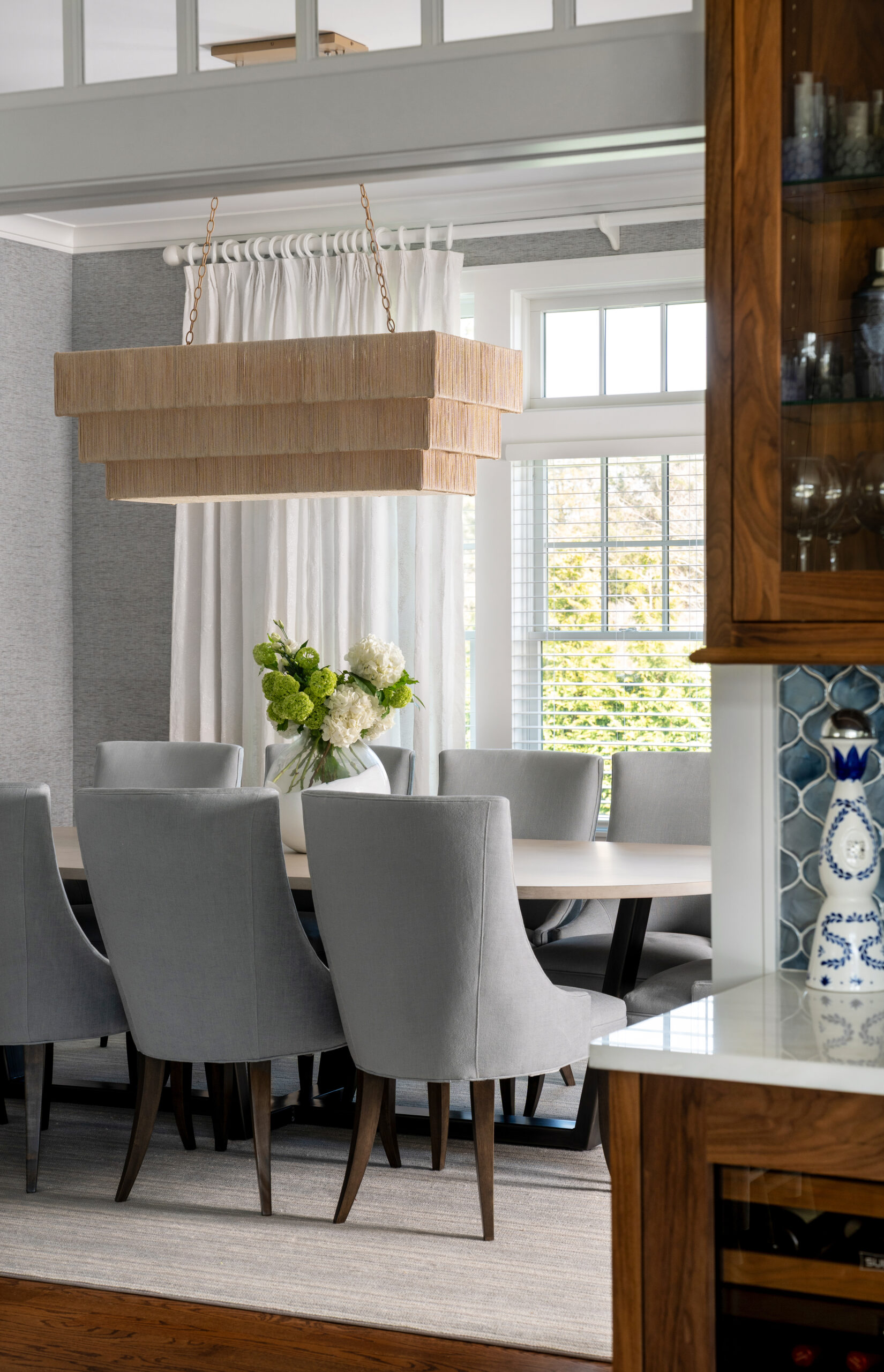
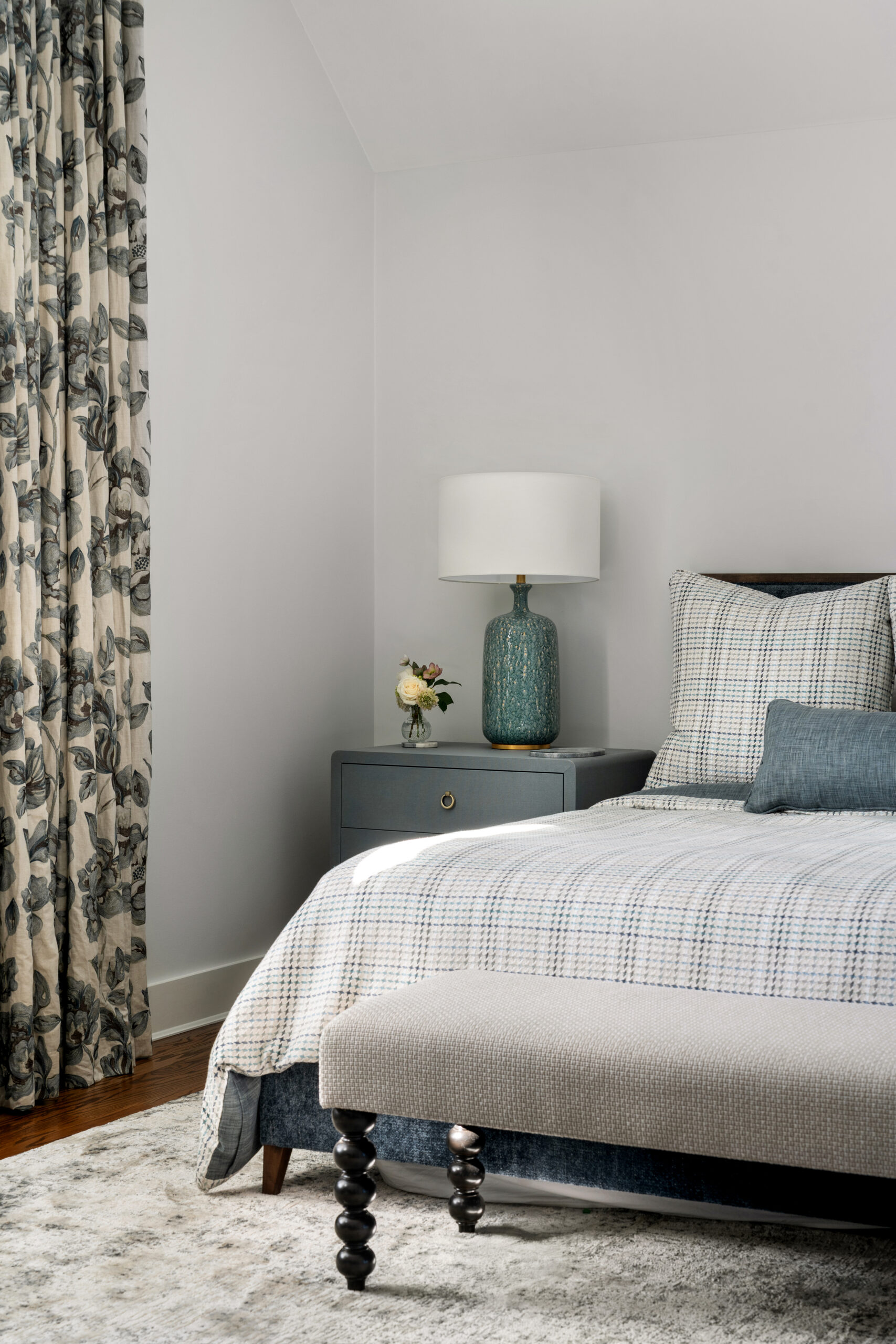
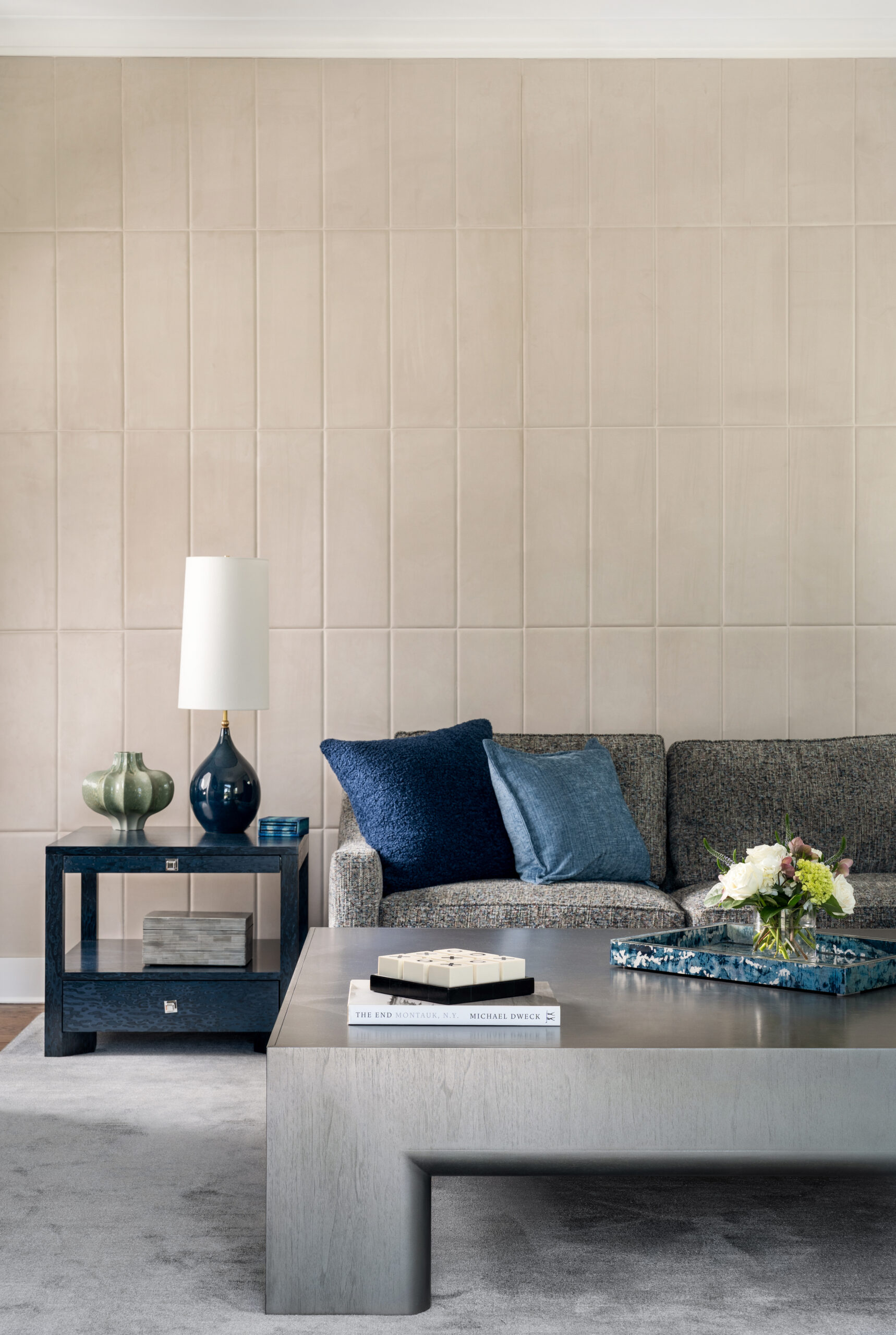
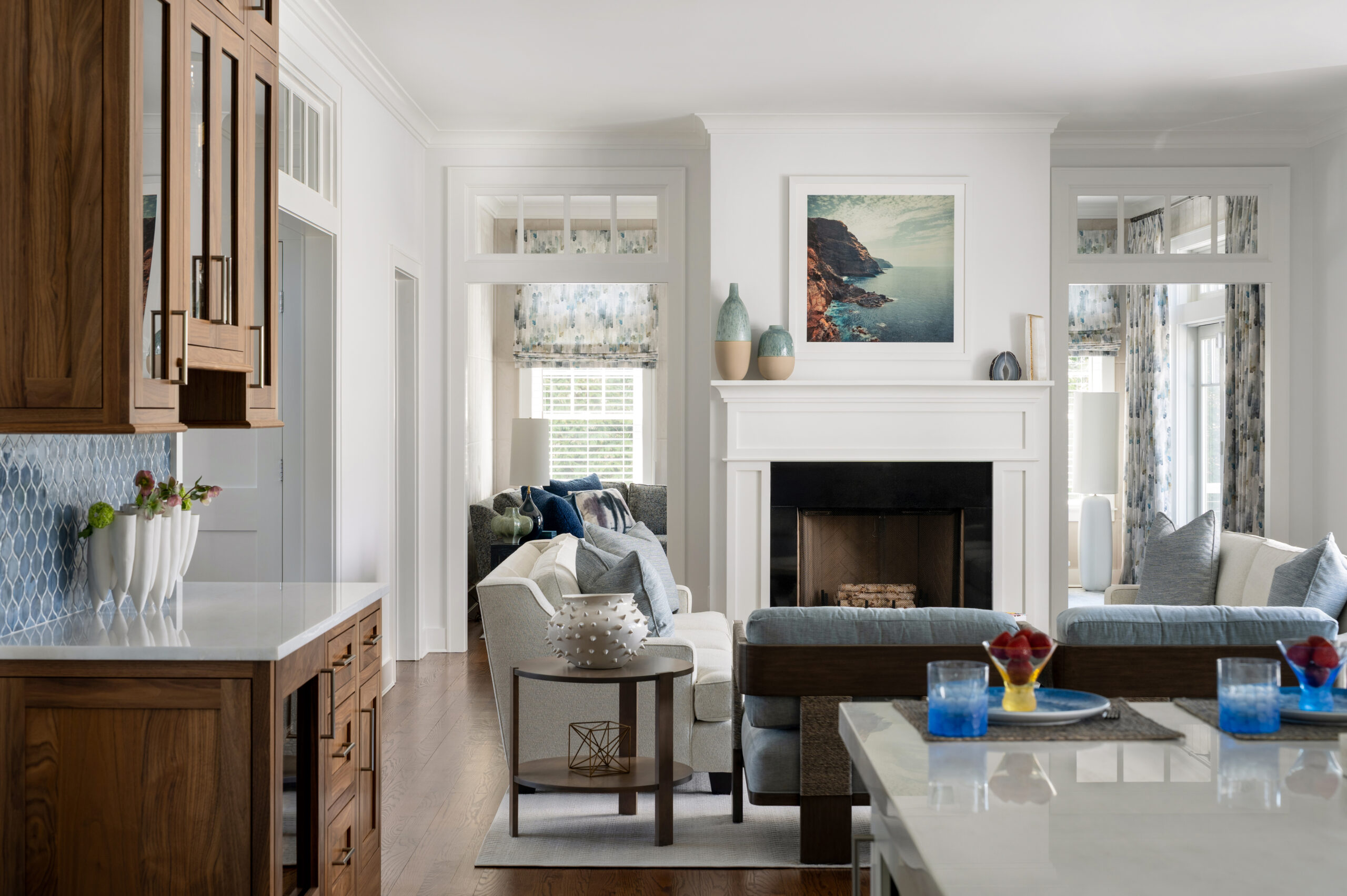
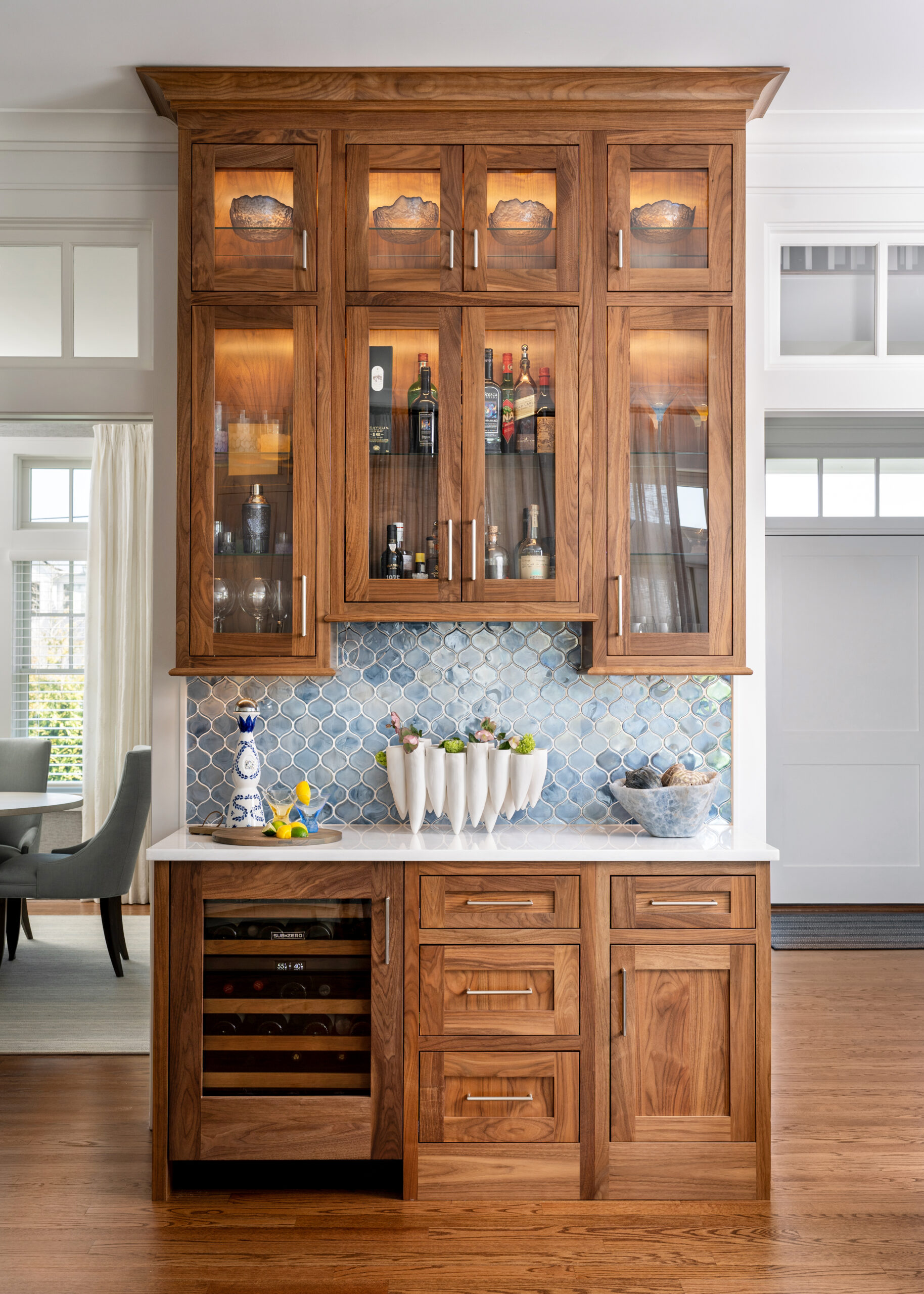
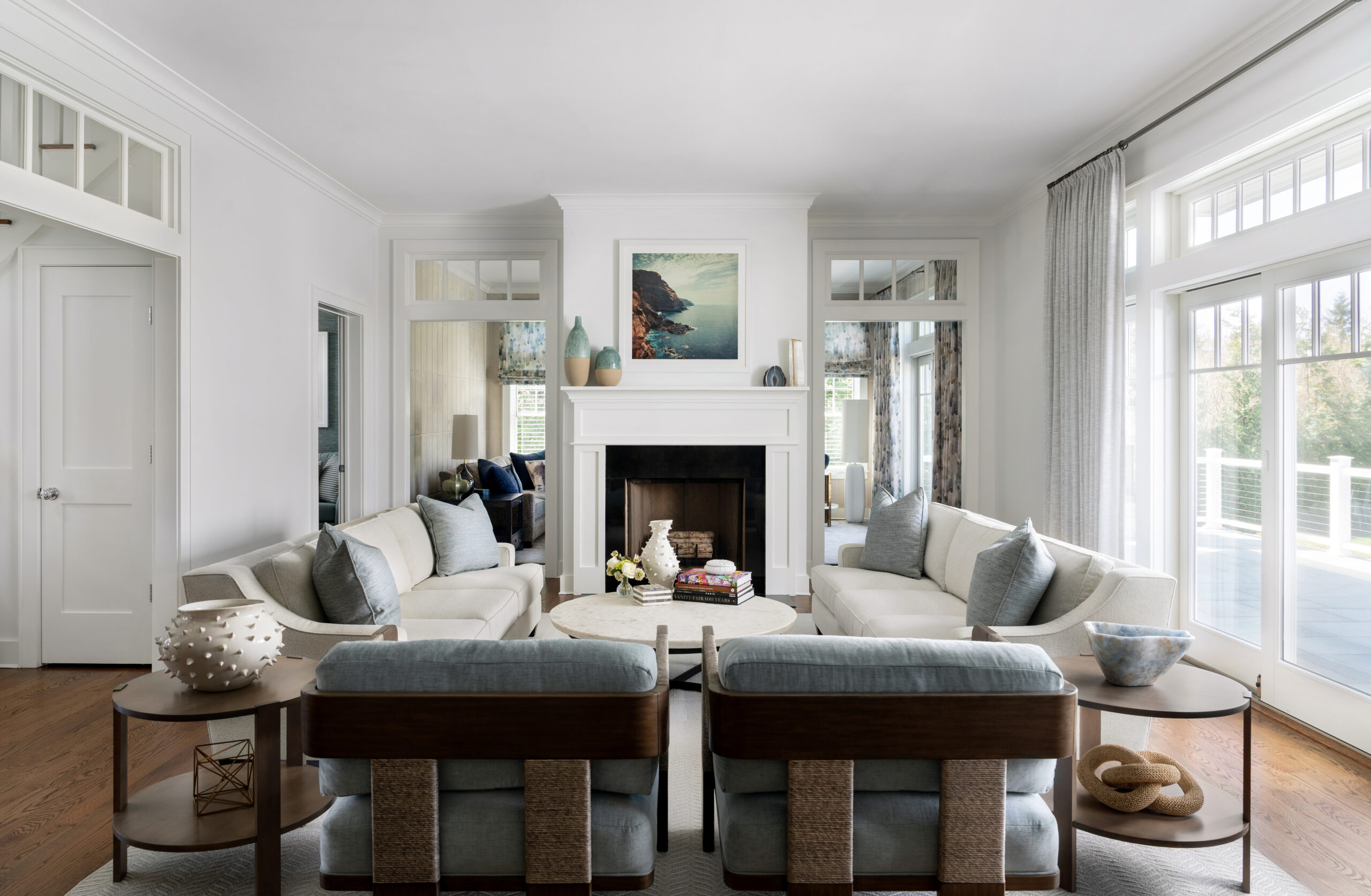
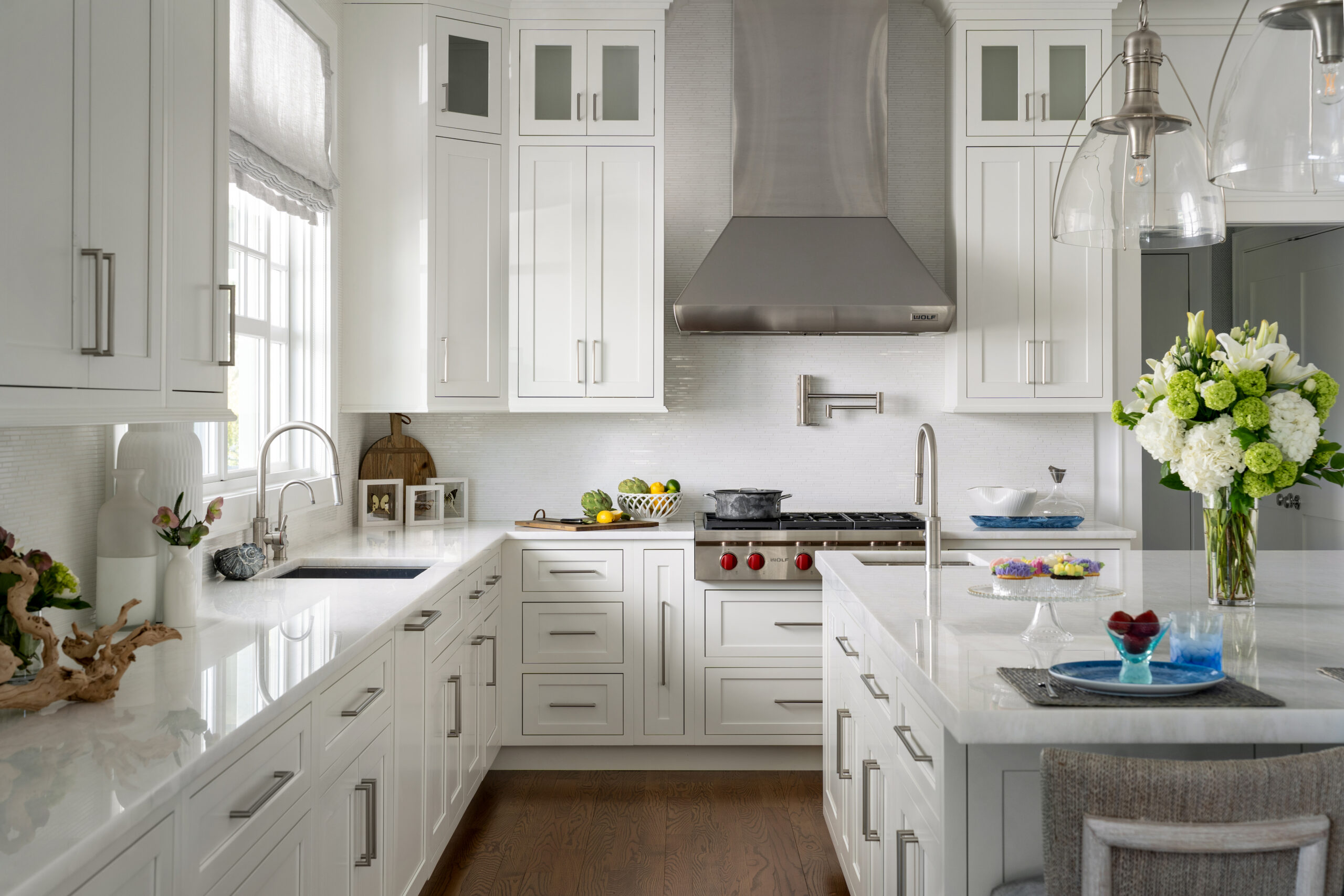
LOLA TUCKER INTERIORS has been shortlisted for Living Space – America in The International Design & Architecture Awards 2026.

design et al only work with the world’s leading companies in the International Design & Architecture industry.

If you think you have what it takes to compete in The International Design & Architecture Awards, submit your application by following the links below:

Use the links below for more information about the Awards:

The International Design & Architecture Awards 2026
are organised by design et al

Sylka

Contact Us

If you wish to speak to someone regarding the design awards,

Simply fill in the form below!


    Interested in:

    Alternatively, call us on 0044 (0)1244 401932